REVIEW · HOI AN
Hoi An: Hand-on Making Vietnamese Coffee Class & Culture
Book on GetYourGuide →Operated by Dich vu du lich lang que Cam Thanh · Bookable on GetYourGuide
Coffee here is hands-on, not just watching. This Hoi An Vietnamese coffee class takes you into a local roastery focused on small-batch roasted beans, then puts a coffee cup into your hands by the end. I like that it starts with real roasting and ends with a drink you made yourself, not a demonstration you forget 10 minutes later.
I also enjoy the way the lesson mixes practical technique with café culture, including stories about how popular Vietnamese cafés connect to history and daily life. The only drawback to consider: it’s one hour, so it’s perfect for a taste-and-learn experience, but not for anyone wanting a long, slow coffee education. Also, it’s not suitable for kids under 10.
In This Review
- Key things to know before you go
- Entering the roastery in Hoi An
- What the workshop feels like (and why you’ll enjoy it)
- The coffee stories part: cafés, culture, and context
- Crop to cup: learning the journey of Vietnamese coffee
- Pick your traditional coffee style (then make it)
- Hands-on brewing: equipment, ingredients, and real participation
- Tasting the final cup: what to pay attention to
- Price and value: why $15 makes sense for this format
- Who this class suits best (and who should skip it)
- Small practical tips so you get more out of the hour
- Should you book this Vietnamese coffee class in Hoi An?
- FAQ
- How long does the Hoi An hand-on Vietnamese coffee class last?
- How much does the class cost?
- Where is the meeting point in Hoi An?
- What kinds of traditional Vietnamese coffee can I make?
- Is hotel pickup and drop-off included?
- Is this class wheelchair accessible, and is it suitable for children?
- What is the cancellation policy?
Key things to know before you go

- Small group (10 max) keeps it relaxed and lets you actually participate
- Local roastery access means you’re seeing beans and roasting, not only pouring coffee
- Crop-to-cup lesson connects coffee culture with the coffee-making process
- Choose your coffee style to make and taste, including phin filter, egg, salt, or coconut
- You brew your own final cup while listening to good music in a comfortable space
- Skip-the-line entrance helps you get started without waiting around
Entering the roastery in Hoi An
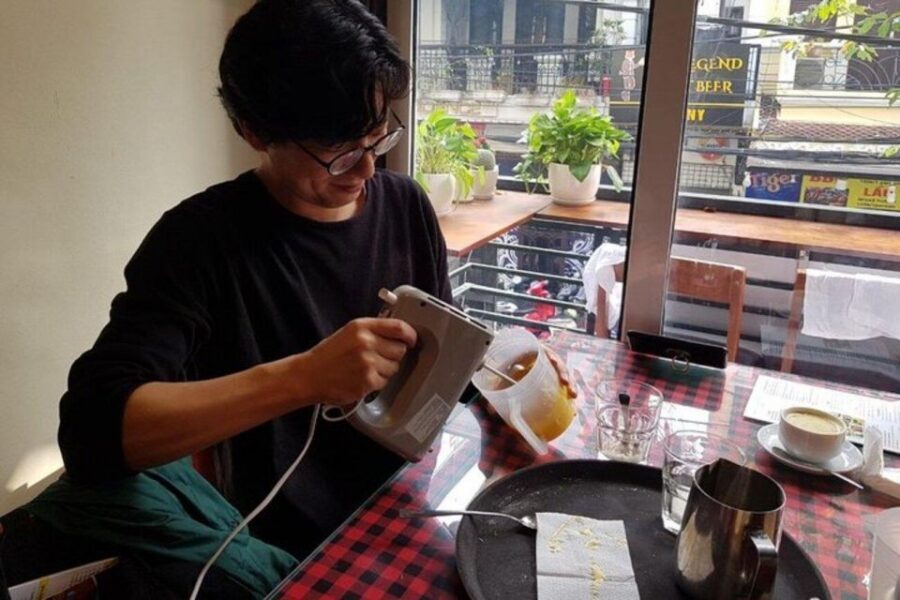
Hoi An has a way of luring you in with sights, lanterns, and food. This class gives you a different angle: coffee as a craft, with the workshop as the main event.
Meeting point is simple: 88 Phan Chau Trinh street. You’re guided by an English-speaking host/greeter, and the activity uses a separate entrance so you can skip the line. If you’re trying to fit a class between temple stops and dinners, that time efficiency matters.
This is run by Dich vu du lich lang que Cam Thanh, and the setup feels like a real local operation rather than a stage set for tourists. That matters for value. When the environment is authentic, the lesson sticks better.
You can also read our reviews of more tours and experiences in Hoi An


What the workshop feels like (and why you’ll enjoy it)
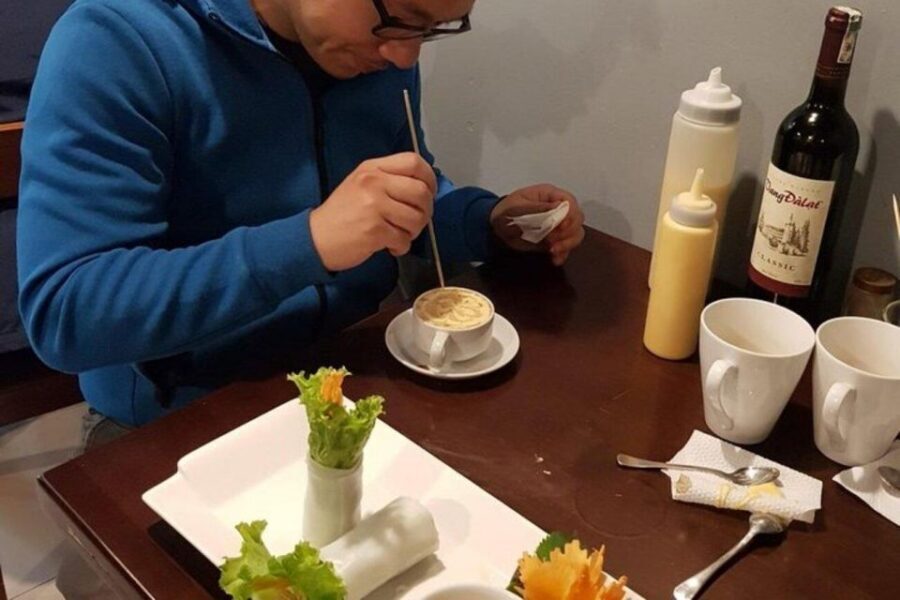
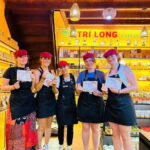
You’re not sitting in a big classroom. The vibe is cozy and comfortable, and the group is limited to 10 participants. That size shows up in how the class is taught: you can ask questions, you can get help while you’re making coffee, and you’re not lost in the crowd.
The room also has good music during the final tasting, which sounds minor until you’re actually there. After an hour of measuring and learning, it’s nice to have a calm moment where you can sip the coffee you made without rushing.
One thing I like from the feedback: people consistently point out the right balance of information and hands-on trying. In other words, you’re not left guessing. You’ll be making decisions during the class, and the instructor supports you through the process.
The coffee stories part: cafés, culture, and context
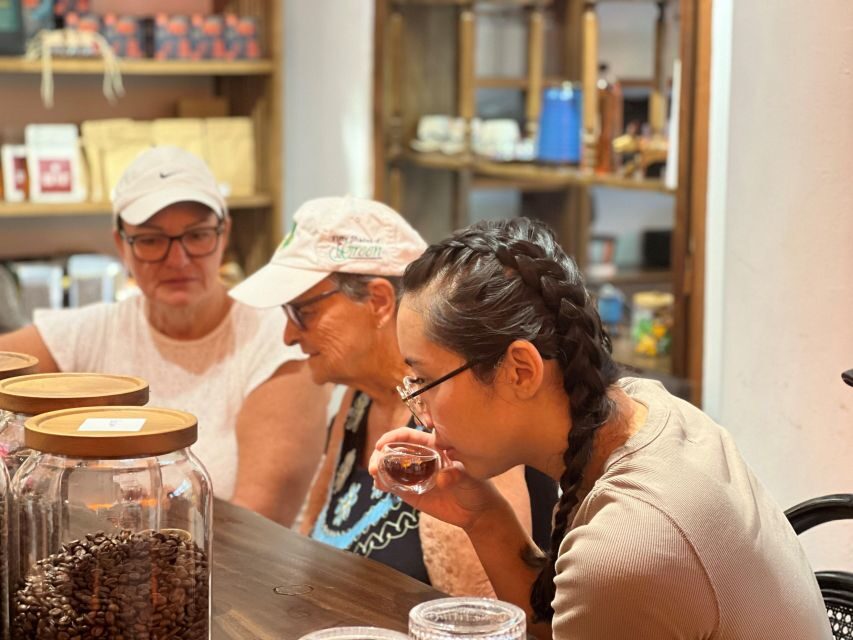
The class doesn’t just teach steps. Your instructor shares stories behind popular cafés in Vietnam and how café culture ties into history and everyday life.
I think this is a big reason the session earns a strong rating. When you understand why Vietnamese coffee is made the way it is, the cup feels personal, not random. You’re not only learning how to brew; you’re learning how coffee fits into Vietnamese routines and preferences.
Expect this to be explained in an approachable way in English. You’ll get context for what you’re doing while you’re doing it, which helps you remember the practical bits when you’re back home trying to recreate the brew.
Crop to cup: learning the journey of Vietnamese coffee
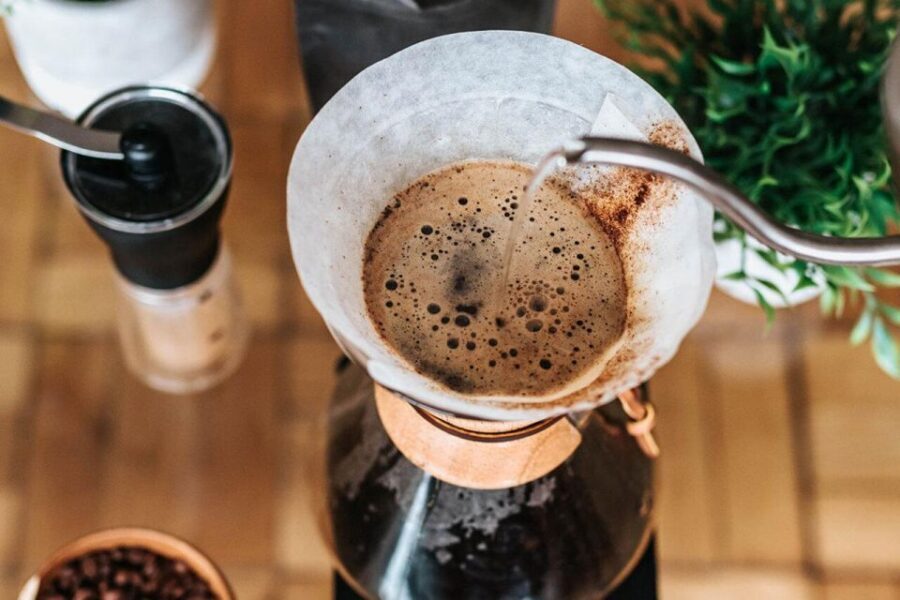
A key theme here is crop to cup. You’ll learn how coffee moves from growing to roasting to the cup, guided by the coffee expert/specialist.
You don’t need to be a coffee nerd to get value from this. Even a basic understanding changes how you taste. Instead of thinking I like this or I don’t, you start noticing what you expected based on the process you were taught.
Also, the roastery focus is more than a marketing line. The activity highlights small-batch roasted coffee beans, so the lesson stays grounded in what’s actually happening to the beans before you taste.
Pick your traditional coffee style (then make it)

One of the most practical parts of the class is choice. You can select a kind of traditional Vietnamese coffee to make and taste, such as:
- Vietnamese Phin Filter coffee
- Egg Coffee
- Salt Coffee
- Coconut Coffee
This is worth taking seriously. If you already know which style you enjoy, the class becomes more than a lesson—it becomes a guided tasting where you’re steering your own experience.
It’s also a nice way to compare results. Even though the class is short, making one of these styles helps you understand how technique and ingredient choices affect the cup you end up with. If you’re a first-timer, pick the one that sounds most familiar from your travel food cravings.
You can also read our reviews of more tours and experiences in Hoi An



Hands-on brewing: equipment, ingredients, and real participation
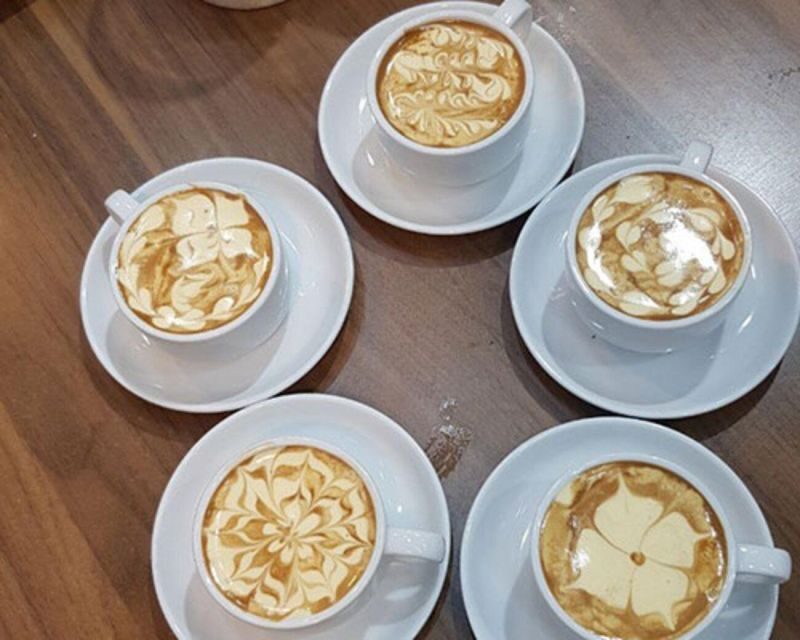
This is where the class wins people over. You’re not just watching someone else brew. You’ll get all ingredients and equipment to make coffee, plus help from the coffee specialist.
That matters because Vietnamese coffee can be a little different from what many people expect at home. The class format gives you a controlled environment to try the steps, ask questions, and adjust while you’re still in the learning window.
And yes, you’ll taste what you make. At the end, you sip your coffee that you made during the class while the atmosphere stays relaxed. This is the moment to slow down. Your goal isn’t perfection; it’s understanding what you did and how it affects the cup.
Tasting the final cup: what to pay attention to
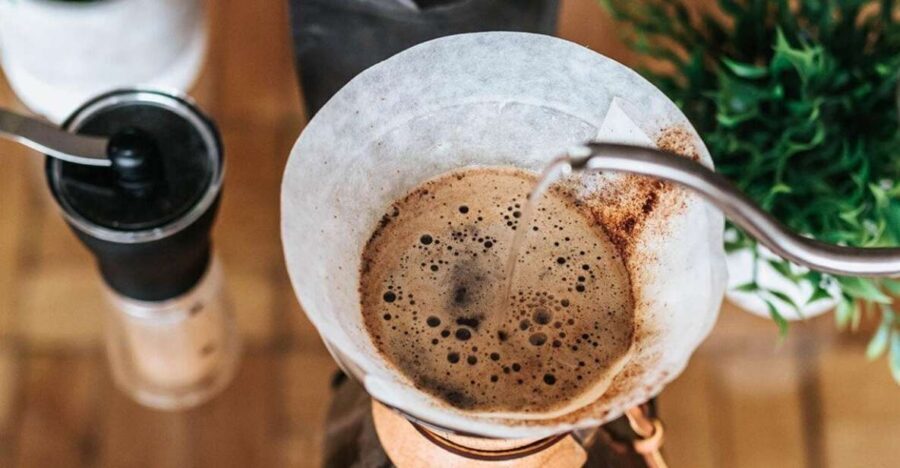
You’ll end with tasting in a comfortable atmosphere with music. Since the class emphasizes small-batch roasted beans and a focus on quality, I’d treat the tasting as your checkpoint.
During the last sip, focus on:
- How the aroma feels when you bring it up to your nose
- Whether the flavor matches what you expected from the coffee style you chose
- How smooth or strong it seems compared with what you’ve had before
You don’t need to do a tasting journal. Just compare it to your earlier coffee experiences while the lesson is fresh in your head.
Price and value: why $15 makes sense for this format
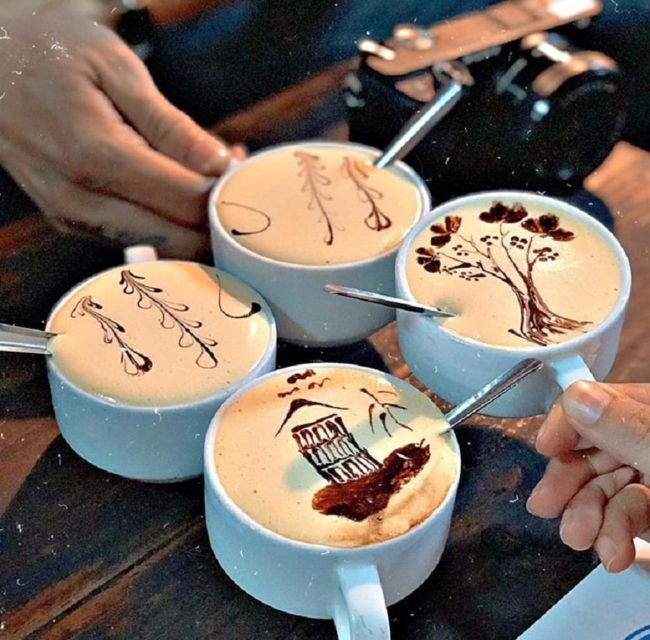
At $15 per person for a 1-hour class, the price feels fair because you get a bundle, not a lecture. Included are:
- all ingredients and equipment
- the roastery experience
- hand-on making and tasting
- a coffee expert/specialist
What’s not included: hotel pickup/drop-off, meals, and other drinks (plus personal expenses). So this works best if you’re already in central Hoi An and planning a meal separately.
Here’s how I’d judge value: you’re paying for access to a local coffee roastery, a guided explanation in English, and time with equipment where you actively make a cup. If you were to recreate this experience at home, you’d still need instruction and ingredients. For one hour, $15 is a reasonable shortcut.
Who this class suits best (and who should skip it)
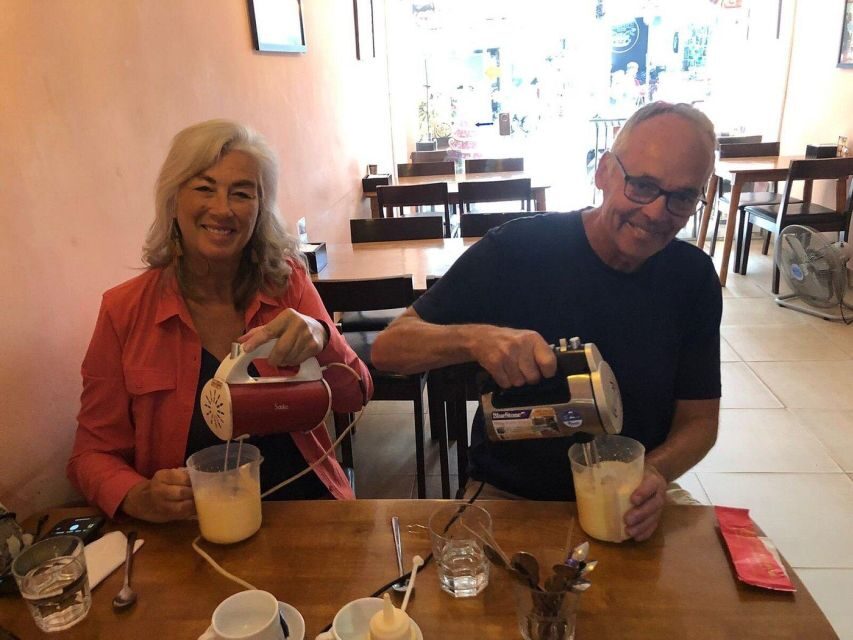
This is ideal for:
- coffee lovers who want hands-on learning in Hoi An
- travelers who like small groups and practical workshops
- anyone curious about Vietnamese café culture beyond food stalls
It’s less ideal if:
- you want a long multi-hour course (this is a focused 1-hour session)
- you’re traveling with children under 10, since it’s not suitable for them
If you’re the kind of person who enjoys bringing home a new skill—rather than just buying a souvenir—this fits your style.
Small practical tips so you get more out of the hour
- Arrive a bit early at 88 Phan Chau Trinh street so you’re not stressed when it starts.
- Go in with one question you actually care about, like how roasting affects the cup. The lesson is short, so your attention should be sharp.
- Choose your coffee style based on what you’re curious to taste, not just what sounds exotic. You’ll taste it at the end.
Also, remember the class provides ingredients and equipment. That means you don’t need to bring tools, coffee gear, or anything fussy.
Should you book this Vietnamese coffee class in Hoi An?
If you want a fun, low-pressure way to learn and taste Vietnamese coffee—while hanging out in a real roastery setting—then yes, I’d book it. The biggest selling point is you make the coffee and then drink it, all with the support of a specialist in a small group.
Skip it only if you’re chasing a long, deep coffee program. This is an hour well used: culture plus craft, with a satisfying final cup. For most people, that’s exactly the sweet spot.
FAQ
How long does the Hoi An hand-on Vietnamese coffee class last?
The class lasts 1 hour.
How much does the class cost?
It costs $15 per person.
Where is the meeting point in Hoi An?
The meeting point is 88 Phan Chau Trinh street, Hoi An.
What kinds of traditional Vietnamese coffee can I make?
You can choose a traditional coffee to hand-make and taste, such as Vietnamese Phin Filter coffee, Egg Coffee, salt coffee, or Coconut Coffee.
Is hotel pickup and drop-off included?
No. Hotel pickup and drop-off are not included.
Is this class wheelchair accessible, and is it suitable for children?
It is wheelchair accessible, but it is not suitable for children under 10.
What is the cancellation policy?
You can cancel up to 24 hours in advance for a full refund.