REVIEW · HOI AN
Hoi An: Thanh Ha Village Tour with Pottery Making and Gift
Book on GetYourGuide →Operated by Hoi An Eco Travel · Bookable on GetYourGuide
Clay has a way of grabbing you. This 2-hour Thanh Ha village tour mixes a terracotta museum visit with hands-on pottery and a fun pot-breaking game in a 500-year-old village.
I really like how the tour starts at the Terracotta Park and moves in a logical rhythm: gallery and museum first, then the village lanes, then you get to make something simple with help. I also like the cultural anchor at Xuan My Temple, where you learn how pottery fits local beliefs, not just local souvenirs.
One consideration: this isn’t a professional pottery workshop. You’ll make a basic piece with a simple pattern, so if you’re hoping for a full, expert-level class, you may feel it’s too short.
In This Review
- Key Highlights Worth Your Time
- Entering Thanh Ha: a pottery village you can actually walk
- The Terracotta Park museum circuit: where “big” makes sense
- Xuan My Temple: pottery as belief, not just craft
- Touring Thanh Ha village lanes: the craft looks different up close
- Traditional pottery making (the simple way): what you’re really doing
- The pot-breaking game: a cheerful finale with a purpose
- The break with coconut coffee and cookies: small, but well placed
- What you take home: your piece plus a terracotta gift
- Price and value: why $23 can work in Hoi An
- Logistics that affect your day (and what to watch for)
- Who should book this Thanh Ha pottery tour
- Should you book the Thanh Ha Village Tour?
- FAQ
- How long is the Thanh Ha Village Tour with pottery making?
- Where do I meet the guide?
- Is pickup and drop-off included?
- What’s included in the price?
- Is this a professional pottery class?
- Can I bring pets?
- Is the tour suitable for wheelchair users?
- Do I need to pay extra on Vietnamese public holidays?
- Can I cancel for a refund?
Key Highlights Worth Your Time
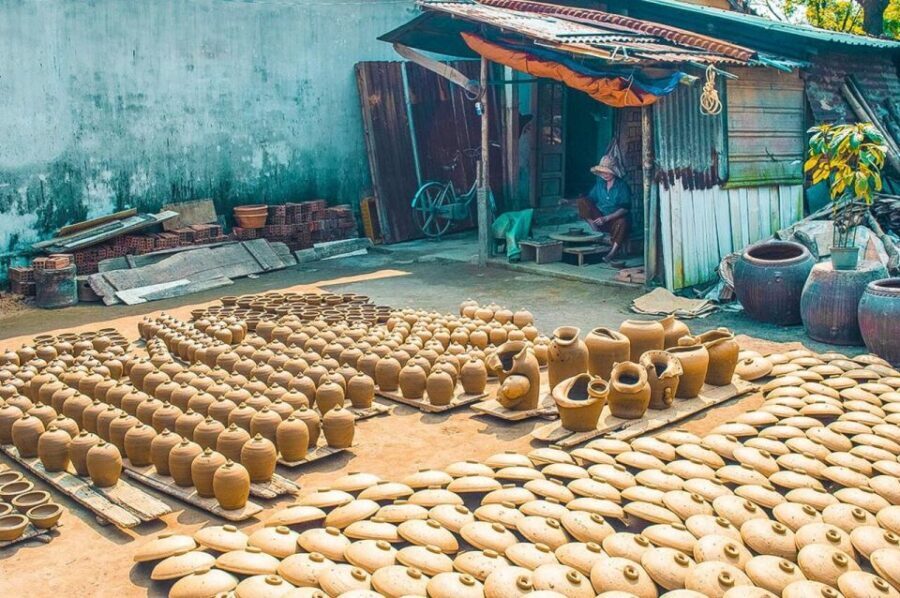
- Skip the ticket line and get straight into the Terracotta Park museum area
- Terracotta Park galleries and museums in one guided circuit
- Xuan My Temple stop to connect pottery to local beliefs and village life
- Traditional pot breaking game for a playful closer
- Make-and-take pottery with a simple pattern and a helper on hand
- Small treats break with coconut coffee or a soft drink plus cookies
Entering Thanh Ha: a pottery village you can actually walk
Thanh Ha is the kind of place where the setting helps the story. You’ll step into a long-running pottery world inside a village with narrow brick roads and alleys that feel older than the usual tourist stops. The tour meets at the gate of the Thanh Hà Terracotta Park, so you’re not hunting around once you arrive.
Even though this is a guided experience, you’re still moving through real village space. That matters in Hoi An, where it’s easy to get stuck in places that feel staged. Here, the lanes and the craft-focused surroundings keep the focus on how terracotta is part of daily identity, not just a show.
The group experience is usually straightforward and easy to follow. One couple even reported it ran as a private tour just for two, which can make the pacing feel more comfortable when you want to ask questions.
You can also read our reviews of more tours and experiences in Hoi An.



The Terracotta Park museum circuit: where “big” makes sense
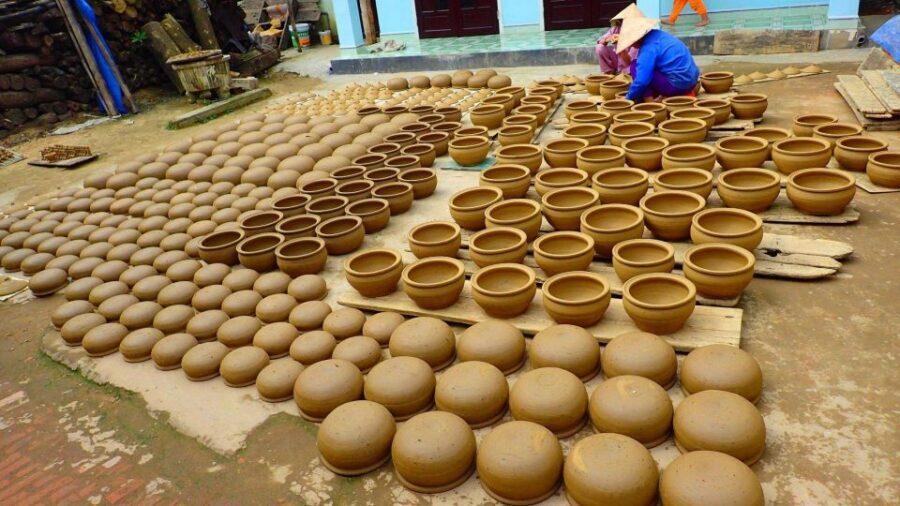
The centerpiece at the start is the Thanh Ha Pottery Village complex, often described as the biggest pottery and terracotta museum in Vietnam. What you get with the guide is not just viewing objects, but learning how to look at them.
In the Terracotta Park area, you’ll walk through several spaces with a guide:
- the Terracotta Gallery and Museum
- the Thanh Ha Village Museum and History
- a Terracotta Mini Square
This lineup is a smart way to spend the first part of the tour. You’re not thrown into hands-on activities right away. You get context first, so when you later see villagers working and you sit down to make your own piece, the craft feels less random.
Also, you’ll get the sense of scale. One of the best parts of these museum-style stops is that you can spot styles and techniques at your own speed, then use the guide to interpret what you’re seeing. That’s where clear English explanations make a real difference for value.
Xuan My Temple: pottery as belief, not just craft
After the park museum area, the tour moves into the village and includes a stop at the Xuan My Temple. This is where the experience shifts from “look at pottery” to “understand how pottery lives here.”
The tour’s framed around the idea that the temple is important to villagers’ beliefs. It’s also tied to what you’ll observe in the surrounding community—especially the long-standing connection between community roles and clay work. One of the standout points is seeing the villagers’ pottery work in this local context, not only as a demonstration.
If you like travel moments that feel grounded—where the story has a place in everyday life—this temple stop is a good anchor. It keeps the tour from feeling like a theme park version of a village.
Touring Thanh Ha village lanes: the craft looks different up close
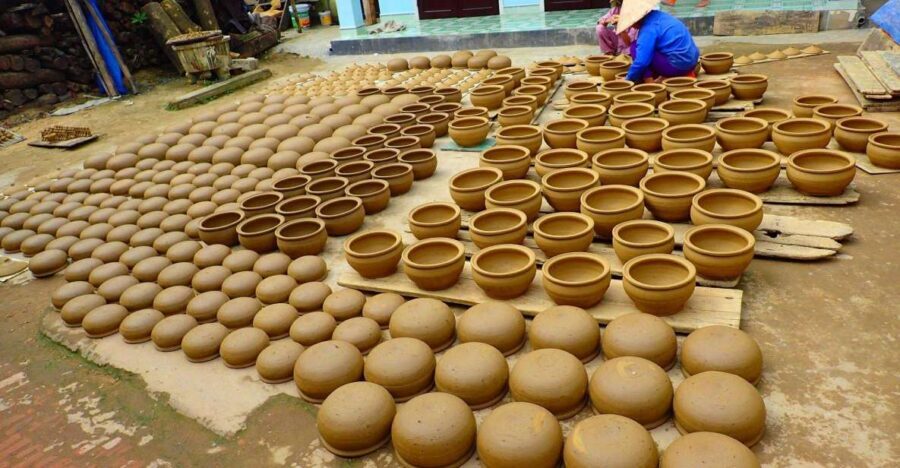
Once you step out of the museum zone, the pacing changes. You’ll move through the village with your guide and stop at local pottery houses, where the process is part of the day-to-day rhythm. You’ll also explore the 500-year-old village atmosphere along narrow lanes and alleys.
This village walk is one of the most satisfying parts because it’s not only about what the pottery looks like. It’s about the workflow: how people handle clay, how the workshop space is organized, and how the village environment supports the craft.
A big plus here is that the tour keeps you inside the real craft area instead of rushing you past it. That makes the pottery feel like a living tradition rather than a single photo-op.
Traditional pottery making (the simple way): what you’re really doing
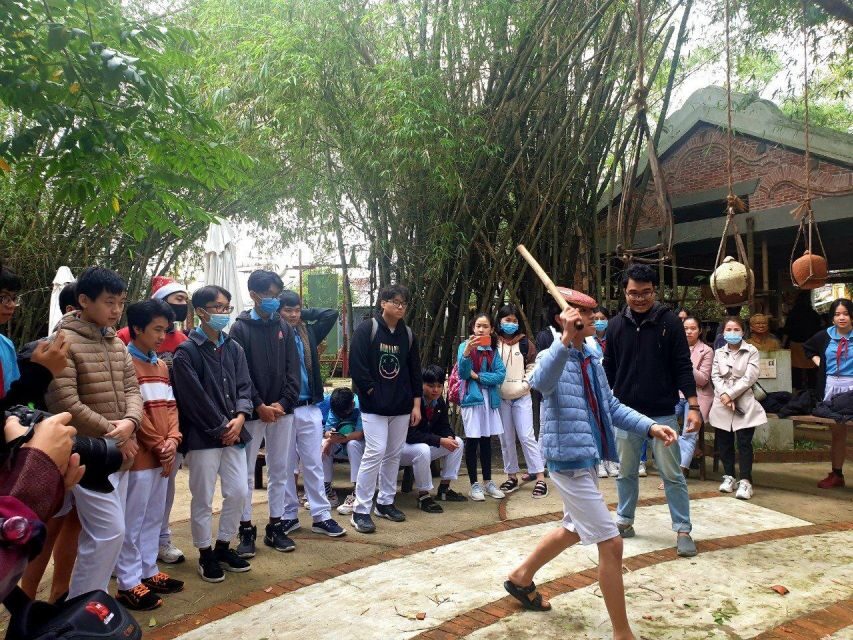
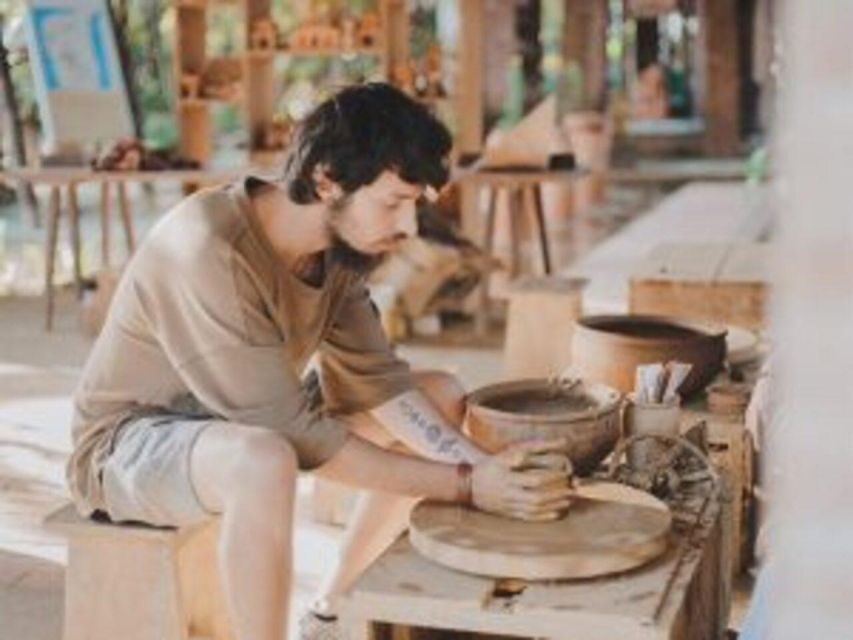
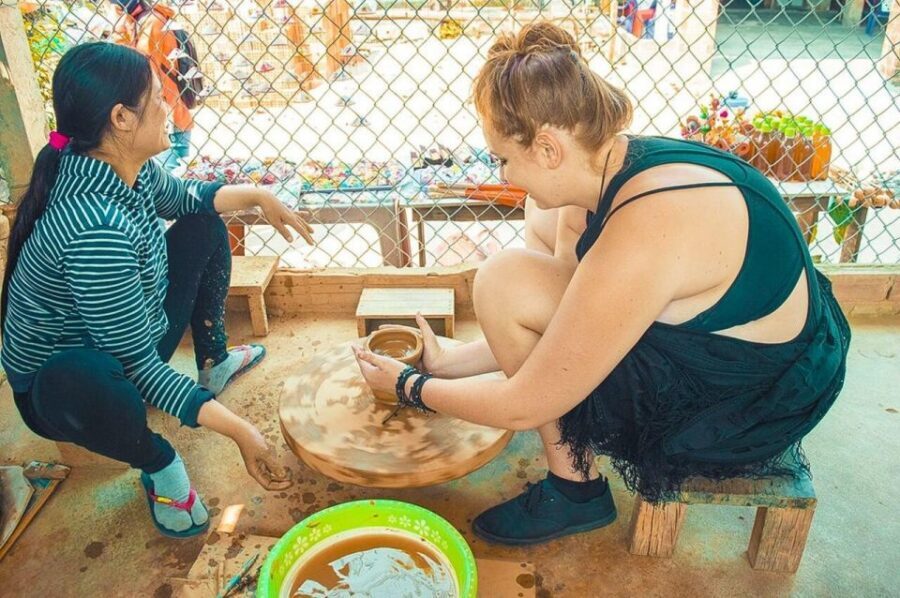
Here’s the truth up front: this is a simple pottery making experience, not a professional pottery class. You’ll make a small piece with a simple pattern, and a potter helps you along.
That actually helps most people. You’re not expected to master pottery skills in 2 hours. Instead, you get the feeling of hands-on work—handling clay, shaping something yourself, and understanding the basic steps enough to appreciate what you saw earlier in the museum.
The tour experience includes:
- time for pottery making with assistance
- the chance to decorate a basic pattern on your own piece
- the idea that you’ll take home a souvenir
I’d treat this as a creative interaction more than a skill-building course. If you’re comfortable with that mindset, you’ll likely walk away feeling proud without frustration.
One practical tip: plan to get slightly messy. Even if the tour doesn’t tell you otherwise, pottery sessions usually mean clay touches your hands at least briefly. Wear sleeves you’re not precious about, and you’ll enjoy the process more.



The pot-breaking game: a cheerful finale with a purpose
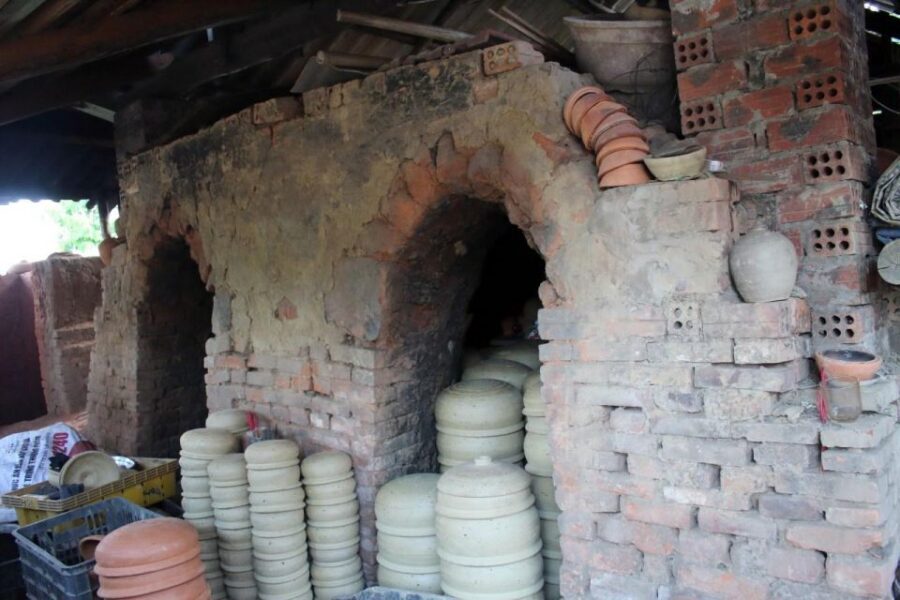
Right after you’ve made (and decorated) your simple pottery piece, the tour includes a traditional pot breaking game. It’s a playful element, but it’s not random entertainment.
This is a classic way tours add cultural rhythm: you work with the material, learn about it, then end with a fun ritual that ties back to the idea of terracotta and tradition. In your case, the game is likely the most memorable part because it gives you movement and laughter right at the end.
It also helps break up the day. Museum time can feel quiet. Village time adds walking and context. Then the pot breaking gives you that final energy boost before you leave with your terracotta keepsake and gift.
The break with coconut coffee and cookies: small, but well placed
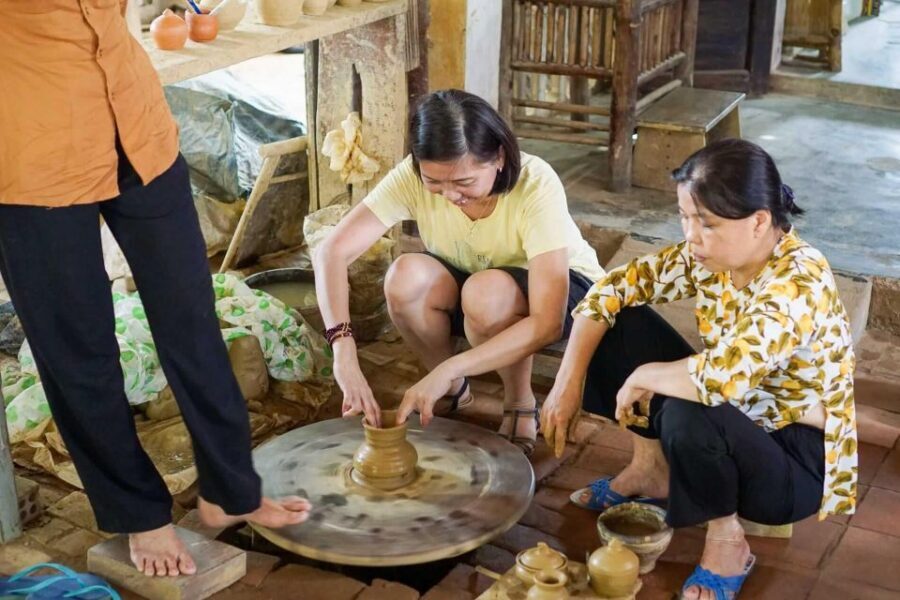
Between the heavier craft moments, you get a tea break with cookies and a coconut coffee or soft drink. It’s not a fancy lunch, but it’s placed at a useful moment—when you’ve spent enough time looking, walking, and asking questions.
For me, breaks like this are about pacing. They keep the tour from turning into a nonstop “museum + workshop + village” sprint.
Also, coconut coffee fits the region. If you’re already sampling Hoi An flavors, this little inclusion makes the tour feel more integrated with local tastes.
What you take home: your piece plus a terracotta gift
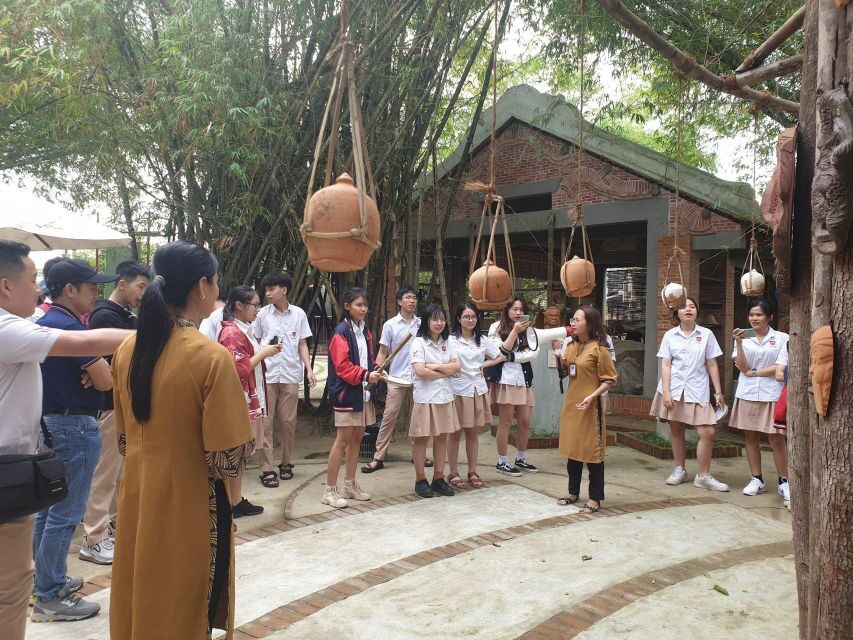
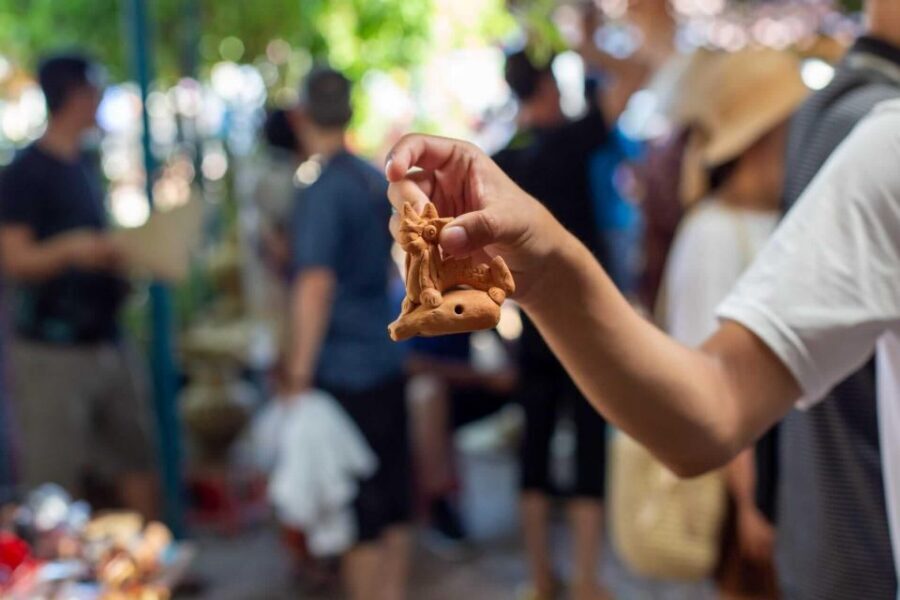
The tour includes a terracotta gift, and you also keep the pottery you make. That matters for value. You’re paying for experience time, guide interpretation, and a tangible souvenir—so you’re not leaving with only photos and a story.
Many visitors remember the hands-on piece most because they made it themselves, even if the design is simple. That kind of souvenir is more personal than something you pick up quickly in a shop.
You’ll also likely have time to buy additional artisanal pottery if you want, but purchases aren’t required for the tour to feel complete. One review specifically praised the experience as having no hassle from sellers, which is a big deal in craft areas.
Price and value: why $23 can work in Hoi An
At about $23 per person for roughly 2 hours, this tour is priced like a mid-range activity, not a big splurge. The value comes from how much is packed in without feeling rushed: park museum spaces, village walking, the Xuan My Temple cultural stop, pottery making, a pot breaking game, and a included snack break.
You’re also getting:
- an English-speaking guide
- village, park, and museum tickets
- skip-the-ticket-line entry
- the potter-assisted activity
- tea break and cookies
- terracotta gift
That combination is what makes it feel efficient. Instead of paying separately for museum entry and then guessing how to fit in a village craft visit, you get a guided “flow” that connects all parts.
One more value note: people have also reported very smooth guiding and lots of answered questions. When a guide has the language and the confidence to explain, the same buildings and objects feel more meaningful.
Logistics that affect your day (and what to watch for)
This is where small details save frustration.
No hotel pickup or drop-off means you should plan your own way to the meeting point at the gate of Thanh Hà Terracotta Park. The upside is that it keeps the schedule simple and tight.
The tour also is not suitable for wheelchair users, and pets aren’t allowed. If you fall into either category, you’ll want to choose a different Hoi An experience.
If you’re traveling by bike or planning to park nearby, here’s a practical heads-up from past visitors: when arriving by bicycle, parking should be free if you ask at the ticket counter, and you shouldn’t feel pressured by people outside the pottery center who suggest paid parking. It’s a small thing, but it can stop an unnecessary hassle.
Who should book this Thanh Ha pottery tour
This is a great fit if you want a craft experience that’s:
- culturally grounded (Xuan My Temple connection)
- interactive (you make and decorate)
- fun (pot breaking game)
- easy to follow (English guide, skip ticket line)
- not too intense (2 hours, simple instructions)
I’d especially recommend it for first-time pottery fans and curious travelers who prefer learning with hands-on moments. It also works well as a change of pace from Hoi An’s lantern streets, because you’re stepping into a different side of the town’s identity.
If you’re a serious ceramic student or you want advanced techniques, you’ll probably find the pottery making too basic. The tour is designed for accessibility, not mastery.
Should you book the Thanh Ha Village Tour?
If you want a short, high-reward activity that combines museum context with a real village craft stop and ends with a playful pot-breaking game, book it. The price is fair for what’s included, and the tour has a strong “do-and-understand” rhythm rather than just sightseeing.
I’d skip it only if you need a wheelchair-friendly route, you want a fully professional pottery class, or you prefer long free time to wander alone. Otherwise, this one is a smart use of an afternoon in Hoi An—especially if you like learning how local traditions become living daily work.
FAQ
How long is the Thanh Ha Village Tour with pottery making?
The tour duration is 2 hours.
Where do I meet the guide?
Meet at the gate of the Thanh Hà Terracotta Park.
Is pickup and drop-off included?
No. Hotel pickup and drop-off are not included.
What’s included in the price?
It includes an English-speaking guide, village/park/museum tickets, pottery making, a traditional pot breaking game, a tea break with cookies plus coconut coffee or soft drink, and a terracotta gift.
Is this a professional pottery class?
No. It’s described as a simple pottery making experience with a simple pattern, and you’ll get help from a potter.
Can I bring pets?
No, pets are not allowed.
Is the tour suitable for wheelchair users?
It is not suitable for wheelchair users.
Do I need to pay extra on Vietnamese public holidays?
Yes. You are charged 200,000 VND per person in cash for bookings on Vietnamese public holidays.
Can I cancel for a refund?
Yes. There is free cancellation up to 24 hours in advance for a full refund.