REVIEW · HOI AN
Luxury Half-Day Tour of Hoi An Ancient Town
Book on GetYourGuide →Operated by Vietnam Travel Group VNTG · Bookable on GetYourGuide
Hoi An’s lanes move fast, in a good way. This half-day tour pairs a timed start from your hotel with a focused walk through the Japanese Covered Bridge area, guided by an English-speaking guide who helps you connect the dots fast.
You’ll also get a smooth hit-list route: Temple Kwan and Phuc Kien, plus the feel of old merchant houses like Tan Ky Ancient House, so you’re not just taking photos. One thing to consider: it’s only about 4 hours, and the tour doesn’t allow luggage or large bags, so you’ll want to pack light and keep your shoes comfortable.
In This Review
- Key Highlights You’ll Feel Immediately
- From Your Hotel to Hoi An Ancient Town by 08:00
- A Guided Walk Through Centuries of Chinese, Japanese, French, and European Style
- Temple Kwan: A Stop That Explains Community Life, Not Just Sightseeing
- Phuc Kien Temple: Where Long-Distance Trading Turns Into Local Identity
- Tan Ky Ancient House and the Japanese Covered Bridge
- Fish Market + Cultural Show Rooms: What to Watch for
- Old Town Shopping Time: How to Use Your Free Window
- Price and Logistics: Does $55 Actually Make Sense?
- What’s Included (and What You’ll Need to Cover)
- Guides Make the Difference: Huy, Tea, Minh, and What They’re Praised For
- Who This Half-Day Hoi An Tour Is Best For
- Should You Book This Luxury Half-Day Tour of Hoi An Ancient Town?
- FAQ
- Where is the tour pickup point?
- What time does the tour begin?
- How long is the tour?
- Which places are included in the tour?
- Are entrance tickets included?
- What’s included in the $55 per person price?
- Are meals or drinks included?
- Is the tour wheelchair accessible?
- What should I bring, and what can’t I bring?
- What is the cancellation policy?
Key Highlights You’ll Feel Immediately
08:00 hotel pickup makes it easy to start: You meet your guide at your hotel lobby and head straight to the Ancient Town.
Japanese Covered Bridge + heritage stops in one loop: You cover major sights without bouncing around town all morning.
Temple Kwan and Phuc Kien Assembly-style sites: Religious and community spaces help explain Hoi An’s older trading connections.
Tan Ky Ancient House on the agenda: It’s one of the stops that turns the street scenery into real context.
Shopping time with guidance: After the walk, you get a window to shop in the Old Town with your guide’s help.
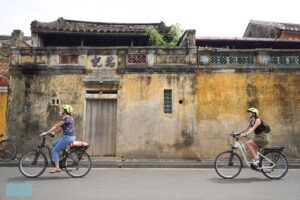
Bicycle and helmet included: Even if most of the tour is walking, you’re set up to move efficiently.
From Your Hotel to Hoi An Ancient Town by 08:00
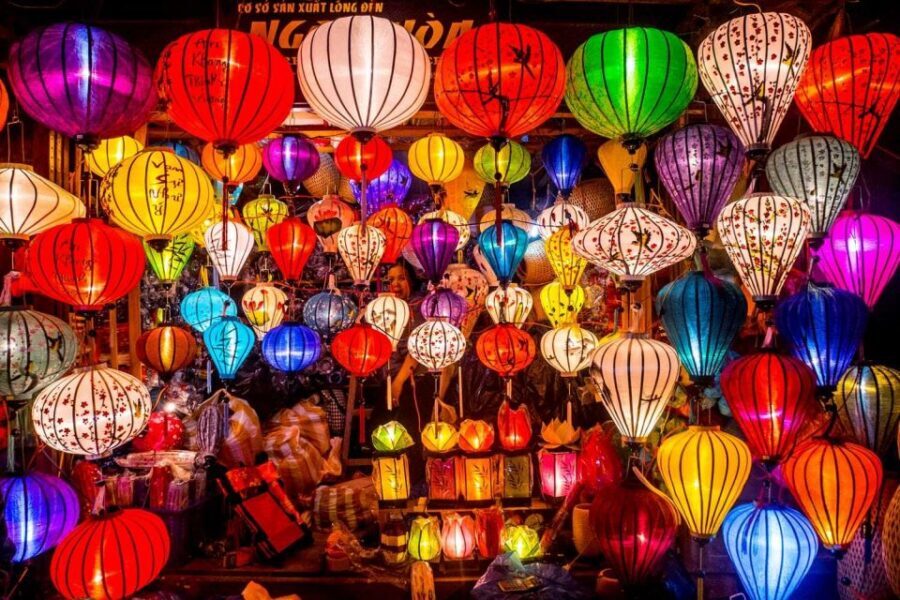
This tour is built for people who want a clean first morning in Hoi An. You meet your guide at 08:00 in your hotel lobby, then you head toward the Ancient Town. The pacing is straightforward: walk part of the way, step into the historic core, buy the entrance tickets with the guide, and start seeing sights right away.
That early start matters. The old lanes around Hoi An can feel crowded later in the day, and mornings are usually calmer for taking in the architecture without constantly weaving around people. You’ll return by 11:00, so the half-day format gives you time left for lunch plans, the beach, or a second walk around town once you know where things are.
One practical detail: you should be ready 15 minutes early in the lobby. With a morning schedule, that small buffer keeps you from feeling rushed as the guide gathers the group.
You can also read our reviews of more tours and experiences in Hoi An


A Guided Walk Through Centuries of Chinese, Japanese, French, and European Style
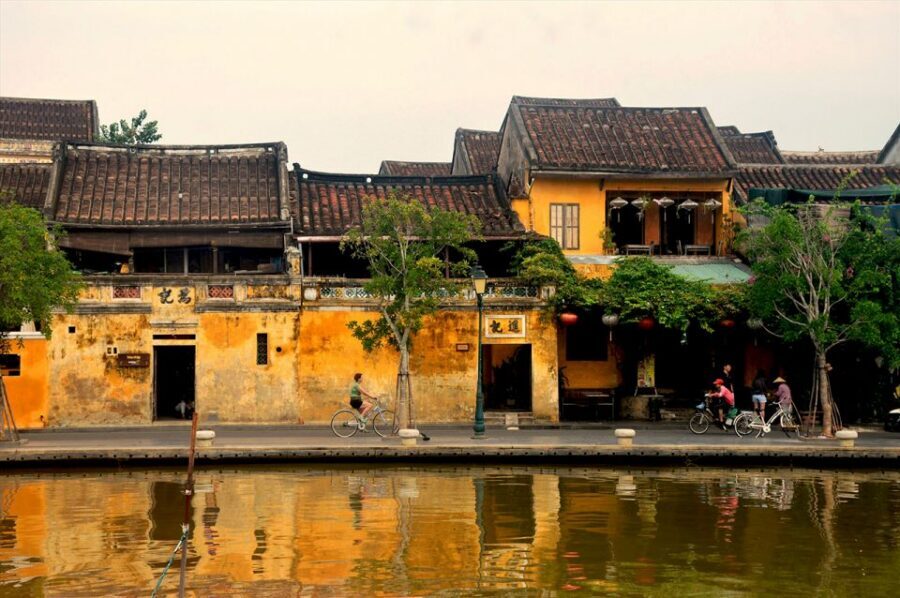
Hoi An’s old town is famous for the way different cultures left their fingerprints on everyday buildings. Your route is designed around that. You’ll move along narrow lanes lined with centuries-old houses, where Chinese, Japanese, French, and European influences show up in styles and details.
What makes this kind of guided architecture walk valuable is not just the places you stop, but the way you learn to read what you’re seeing. Instead of guessing why a building looks the way it does, your guide helps connect the look to the town’s history as a trading port on the Thu Bon River.
Also, it’s not only about grand landmarks. You’ll pass by the everyday stuff that makes Hoi An feel lived-in: tight streets, old facades, and the kind of atmosphere where shops and homes sit close together. That’s why this half-day works well as a first orientation. By the time you reach the biggest photo spots, you’ll already understand the neighborhood layout.
Wear comfortable shoes. The route is on foot through tight streets, and your legs will do most of the work. If you’ve got a knee issue or feel uncomfortable on uneven paving, plan accordingly.
Temple Kwan: A Stop That Explains Community Life, Not Just Sightseeing

One of the first major cultural stops is Temple Kwan. Places like this help you understand that Hoi An wasn’t only about merchants and markets. It was also about community networks—shared beliefs, shared support, and public spaces where people gathered.
Even if you’re not the type to read every plaque, you’ll get a lot from watching how the area functions: the temple presence in the street life, the way people move through, and how the site fits into the old-town fabric. A good guide also helps you notice what matters on-site, so you don’t miss the small details that make the stop meaningful.
This temple stop also works as a break from the shopping mindset. You’re seeing a religious landmark with its own pace and purpose. That balance—heritage + real community spaces—is part of what makes the morning feel more complete than a simple checklist.
Phuc Kien Temple: Where Long-Distance Trading Turns Into Local Identity
Next up is the Phuc Kien Temple area. This is the kind of stop that tends to stick with people because it’s both specific and explanatory. You get a sense of how group identities formed in port towns and how visiting cultures can shape local institutions over time.
In your walkthrough, your guide helps connect the architecture and assembly-hall-style atmosphere to what made Hoi An a crossroads. Even if you only catch the highlights, you’ll come away understanding why Chinese-influenced sites feel so present here. It’s not random decoration. It’s a record of who lived, traded, and worshipped in the same streets.
If you enjoy cultural context, you’ll like this portion. The best feedback for the guides often highlights how much they explain while still keeping the pace moving. Names you may hear in strong feedback include Huy, Tea, and Minh, each praised for making stories feel personal to Hoi An and Vietnam.
Tan Ky Ancient House and the Japanese Covered Bridge
Two of the tour’s most photo-friendly heritage stops are Tan Ky Ancient House and the Japanese Covered Bridge (also called the Japanese Covered Bridge area).
Tan Ky Ancient House is valuable because it gives you scale. You see how old merchant homes could be built, arranged, and used—so the architecture on the street stops being abstract. Instead, you can picture daily life: rooms, circulation, and the way a house sits within the old-town streetscape.
Then comes the Japanese Covered Bridge. It’s a landmark you can spot quickly, but the guided stop helps you understand why it matters. Your guide’s job is to keep it from becoming only a picture background. You’ll also get pointed out to the right spots and angles so you can photograph it without wasting time guessing.
A simple rule for these stops: slow down for the guide’s explanation, then move back into photo mode. That way you get both the meaning and the memories.
You can also read our reviews of more tours and experiences in Hoi An





Fish Market + Cultural Show Rooms: What to Watch for
Your walk also includes the local fish market and time around cultural show rooms near the bridge area.
A fish market stop can sound like a random add-on, but it actually helps balance the tour. Temples and old houses show how people lived and believed; the market shows how people ate and traded. It’s one of those stops that makes the Ancient Town feel less frozen in time.
At the cultural show rooms, your best move is to be curious and ask questions if your guide encourages it. These stops usually exist to interpret the heritage around you, and your guide can steer you toward what’s worth your attention—especially if you’re trying to understand how Hoi An’s architecture and culture fit together.
If you’re the type who likes to know what you’re seeing, this portion is where you’ll benefit most from an English guide. The guide isn’t just translating labels; they’re helping you connect the stops into a single story.
Old Town Shopping Time: How to Use Your Free Window
After the guided portion, you’ll have free time to shop around the Old Town. This is where you can turn a good tour into practical value—because you now know the sights, and you can shop with less wandering.
A few habits that make shopping easier here:
- Decide what you want before you start browsing. Souvenirs are everywhere, so a target keeps you from overspending.
- Keep an eye on what’s around the street corners. Some stalls are easy to miss if you’re moving too fast.
- If you see something you like, ask your guide for help navigating what to look for. Some guides are especially helpful with shopping guidance, and strong feedback includes that this is part of their support.
Also remember: beverages and meals aren’t included. If you plan to linger, keep some spending money for water or snacks. You’ll want to avoid getting caught hungry halfway through your shopping time.
Price and Logistics: Does $55 Actually Make Sense?
At $55 per person for about 4 hours, this tour feels like it lands in the “worth it for convenience” zone. The key value isn’t luxury comforts—it’s the time saved and the cost that’s bundled in.
Here’s why the price can work:
- Hotel pickup and drop-off: You’re not figuring out transport for a short morning.
- All entrance fees: You’re not calculating ticket costs while you’re already on the street.
- English-speaking guide: For older sites and cultural context, this matters more than people think.
- Travel insurance is included in the package.
- Bicycle and helmet are included, which helps you cover ground even when the main plan is walking.
If you tried to do this alone, you’d still spend money on entrance tickets and you’d lose the guided explanation that ties the sights together. If you only have a half day in Hoi An, paying for that guidance usually saves you from wandering in circles.
One consideration: the tour includes a no large bags rule. If you’re arriving from another city with bulky luggage, you’ll need to store it before you go, or you might feel stuck choosing what to carry.
What’s Included (and What You’ll Need to Cover)
This experience is straightforward about what it covers. You get:
- Hotel pick-up and drop-off
- Bicycle + helmet
- All entrance fees
- English-speaking guide
- Tax and services charge
- Travel insurance
Not included:
- Beverages and other meals not mentioned in the program
- Vietnam visa fees
- Early check-in and late check-out at hotels
- Personal expenses like laundry, telephone, and shopping
- Single supplement
- Extra costs due to disruptions like accidents, medical evacuations, flight delays, or cancellations
For you, the main “budget reality” is simple: plan to pay for your own drinks/snacks during the morning and for purchases during shopping time.
Guides Make the Difference: Huy, Tea, Minh, and What They’re Praised For
In the feedback, the strongest theme is guide quality. Three names come up repeatedly: Huy, Tea, and Minh.
- Huy is praised for being proud of Hoi An and Vietnam, and for turning the tour into learning without making it feel heavy.
- Tea gets standout notes for being very informative, helping with photos, and supporting shopping.
- Minh, a local from Hoi An in the feedback, is praised for respectful storytelling and for answering questions about family, country life, and the town’s historical context.
You don’t need to worry that every guide will match the same style. But when multiple guides are described as story-focused and helpful, it’s a good sign that the tour’s format is designed for more than just pointing at buildings.
If you like asking questions, this kind of guide is where you’ll feel the biggest payoff.
Who This Half-Day Hoi An Tour Is Best For
This tour fits well if you:
- Have limited time and want a high-impact introduction to Hoi An Ancient Town
- Want a guided route that ties together major sights like Temple Kwan, Phuc Kien Temple, Tan Ky Ancient House, and the Japanese Covered Bridge
- Prefer practical guidance for what to notice and how to shop without feeling lost
- Like learning through stories and local perspective, especially in an English language format
It’s less ideal if you:
- Need a trip with minimal walking through narrow lanes
- Have mobility needs you can’t adapt to, given that the activity is listed as wheelchair accessible while also stating it’s not suitable for people with mobility impairments
- Are traveling with large luggage (those aren’t allowed on the tour)
Should You Book This Luxury Half-Day Tour of Hoi An Ancient Town?
I’d book it if you’re doing Hoi An for the first time and want to get oriented quickly without spending your morning figuring things out. For $55, the bundle of pickup, entrance fees, an English guide, and a structured route is the real value. You’re paying to turn a short visit into something you can remember and understand.
Skip it if you’re hoping for a long, slow walk with lots of free exploration, or if carrying fewer items is a problem for you. Also, if mobility is a concern for you personally, treat the accessibility notes as a signal to confirm details with the operator before you go.
If you want a smart first morning in Hoi An—temples, heritage houses, a landmark bridge, market life, and shopping time—this is a solid way to do it.
FAQ
Where is the tour pickup point?
The tour starts at your hotel. The activity ends back at the meeting point, which is your starting location.
What time does the tour begin?
Your guide welcomes you at 08:00. Starting times may vary depending on availability, so check the available slots.
How long is the tour?
The duration is 4 hours.
Which places are included in the tour?
The highlights include Temple Kwan, Phuc Kien Temple, Tan Ky Ancient House, the Japanese Covered Bridge area and cultural show rooms, plus the local fish market. You also get free time to shop in the Old Town.
Are entrance tickets included?
Yes. All entrance fees are included, and you’ll buy the entrance tickets when you walk into the Ancient Town with your guide.
What’s included in the $55 per person price?
Hotel pick-up and drop-off, bicycle and helmet, all entrance fees, an English-speaking guide, tax and services charge, and travel insurance.
Are meals or drinks included?
No. Beverages and other meals are not included unless they are mentioned in the program.
Is the tour wheelchair accessible?
The activity is listed as wheelchair accessible, but it also states it is not suitable for people with mobility impairments. If you’re concerned, confirm details with the operator before booking.
What should I bring, and what can’t I bring?
Bring comfortable shoes. Luggage or large bags are not allowed.
What is the cancellation policy?
You can cancel up to 24 hours in advance for a full refund.