REVIEW · HOI AN
Vegetarian Cooking Class with Local Family in Hoi An
Book on GetYourGuide →Operated by GJ Travel Viet Nam · Bookable on GetYourGuide
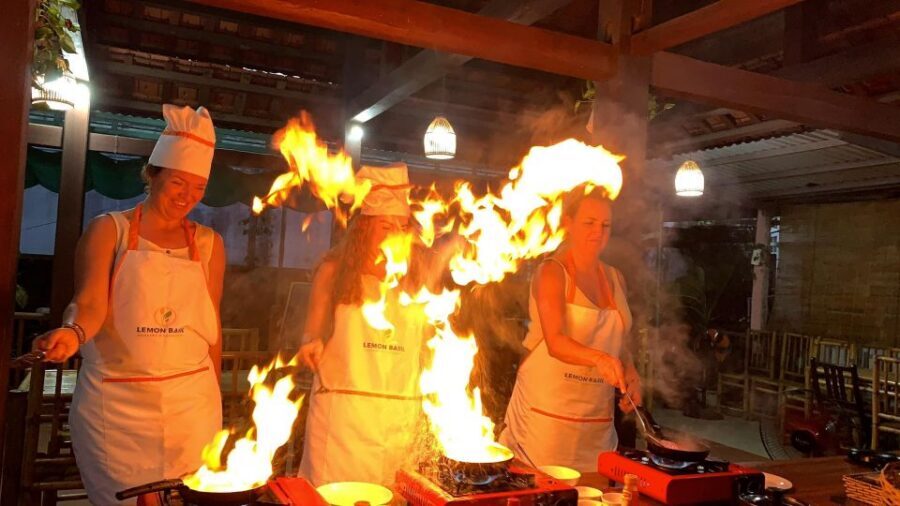
Hands-on cooking beats another museum morning. In Cam Thanh Coconut Village, you learn Vietnamese vegetarian classics in a local-style setting, with an English-speaking chef guiding every step. It’s a hands-on way to understand flavors, textures, and cooking logic instead of just watching from the sidelines.
I like how clear the teaching is—step-by-step, using quality ingredients—so you’re not stuck guessing what to do next. I also like the food plan: four real Hoi An–style dishes you’ll make and then sit down to enjoy together. The only real consideration is that it’s vegetarian-focused, so if you’re chasing a mixed menu with meat or seafood, this class won’t match that craving.
In This Review
- Key Things I’d Pay Attention To
- Why Cam Thanh Coconut Village Makes This Feel Local
- From Your Hotel to the Coconut Village: How the 3 Hours Really Flow
- The Menu You’ll Make: 4 Vegetarian Dishes That Teach Different Skills
- Tofu in Clay Pot with Steam Rice
- Papaya Salad (with carrots and basil)
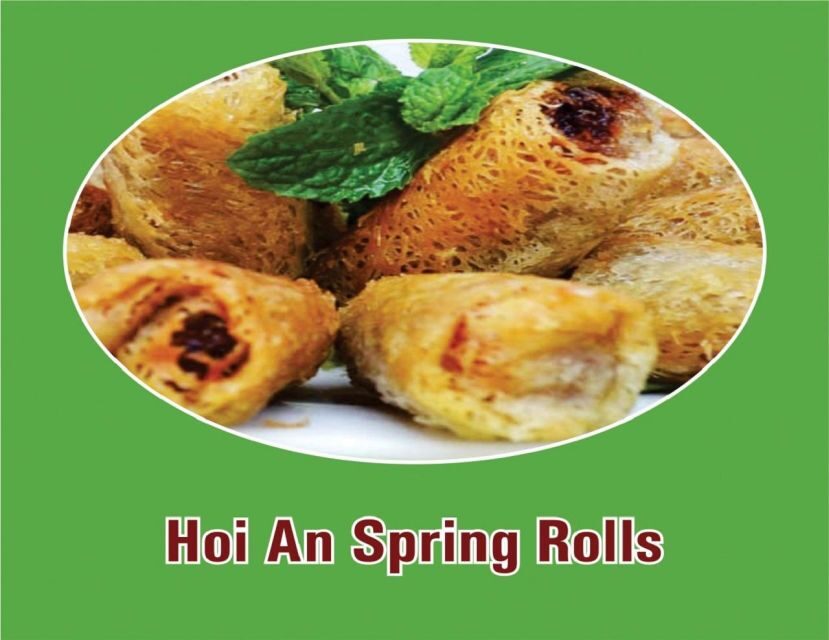
- Hoi An Spring Rolls
- Hoi An Rice Pancake
- What the English-Speaking Chef Teaches You (and Why It Matters)
- The Coconut Village Restaurant Moment: Welcome Drink + Reset
- Meal Time Turns Into a Sharing Session
- Price and Value in Hoi An: Why $24 Can Actually Make Sense
- Who This Vegetarian Cooking Class Fits Best
- Practical Tips Before You Go (So the Class Stays Fun)
- Should You Book This Vegetarian Cooking Class in Hoi An?
- FAQ
- What dishes are included in the cooking class?
- How long is the experience?
- Is the chef able to teach in English?
- Where does the experience start and end?
- Is lunch or dinner included?
- Are drinks included?
- What’s the price per person?
- Are children under 3 allowed?
- Can I cancel for a refund?
- Is there a pay-later option?
Key Things I’d Pay Attention To
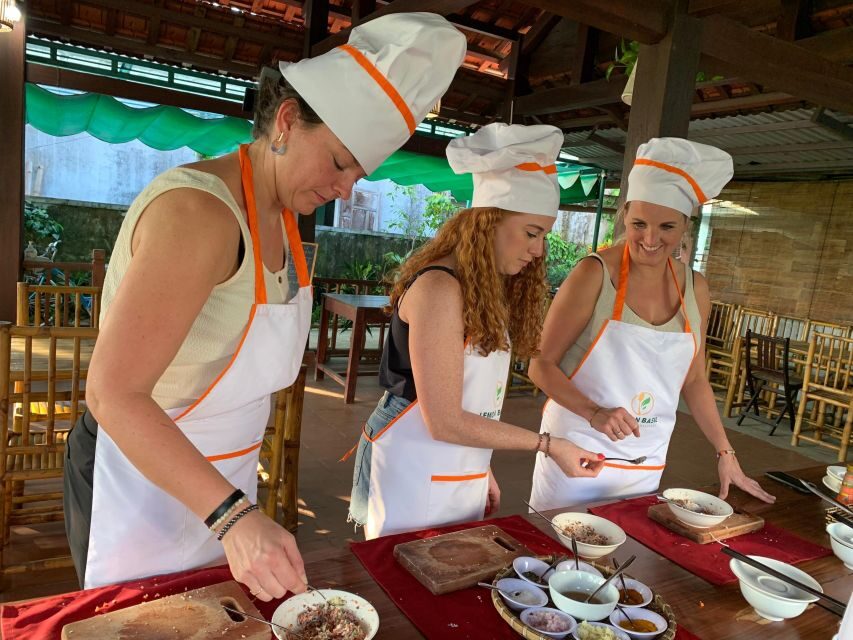
- Cam Thanh Coconut Village cooking scene: you’re not cooking in a generic kitchen; you’re in the area that locals actually call home turf.
- Four specific dishes taught in sequence: tofu in clay pot with steam rice, papaya salad, Hoi An spring rolls, and Hoi An rice pancake.
- English-speaking chef: instruction is set up so you can follow along without hunting for translations.
- You eat what you cook: after the lesson, the meal turns into your reward and a chance to compare results.
- Hotel pickup and drop-off (Hoi An city center): it removes the biggest hassle of getting to the village area.
- Welcome drink + short break before cooking: you get a buffer, so the class feels relaxed, not rushed.
Why Cam Thanh Coconut Village Makes This Feel Local
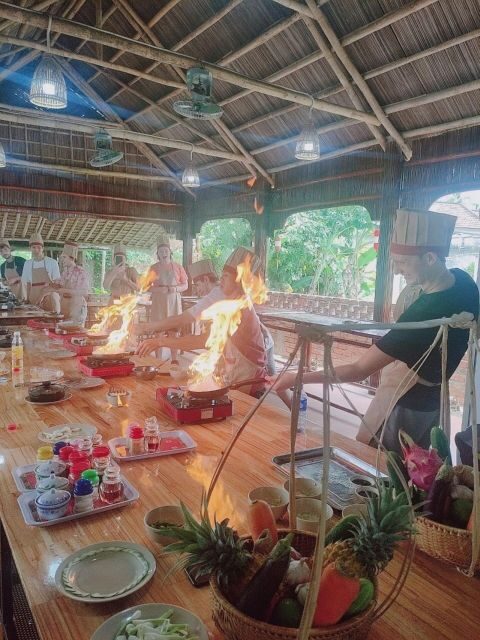
Hoi An is famous for tailoring tourism to every type of visitor. This class stays on a smarter track: it puts you at Cam Thanh Coconut Village, where the everyday setting already tells you you’re not in a staged, pretend “Vietnam room.” Even before the cooking starts, the rhythm feels more like a shared family day than a factory-style tour.
The best part is what you’re doing with your hands. Vietnamese food isn’t just about ingredients—it’s about timing, cutting technique, heat control, and balancing sweet, sour, salty, and herb notes. A classroom can teach you theory, but this kind of cooking class turns theory into muscle memory. By the time you plate your dish, you understand what changed when you changed one small thing.
And yes, it’s vegetarian. That’s not a compromise here—it’s a different angle on Vietnamese cooking. You’ll learn how tofu absorbs flavor in a clay pot, how shredded papaya becomes crisp and tangy, and how spring rolls get their texture from the right fillings and wrapping rhythm. If you want a practical skill you can use later, vegetarian cooking is one of the easiest ways to take local methods home.
You can also read our reviews of more cooking classes in Hoi An

From Your Hotel to the Coconut Village: How the 3 Hours Really Flow
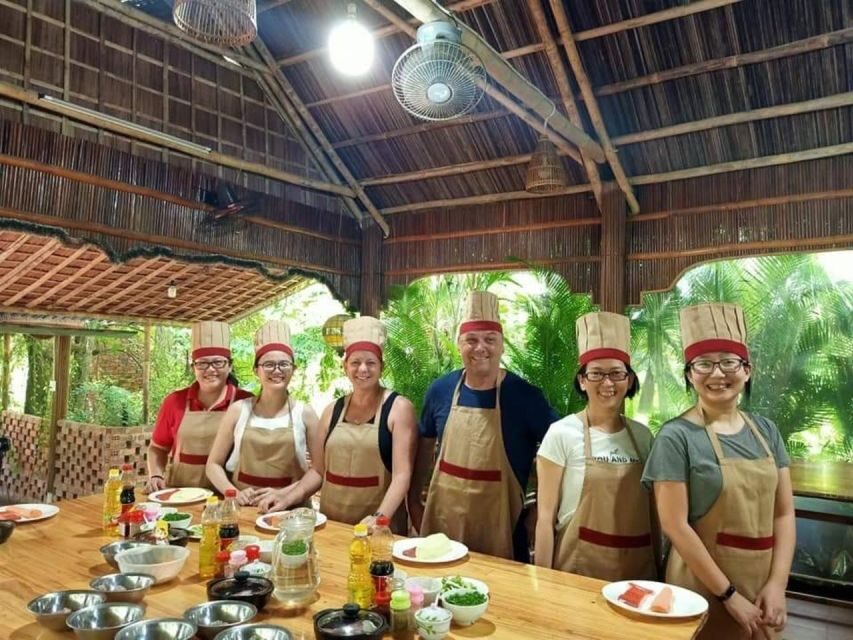
The whole experience runs about 3 hours (270 minutes), which is long enough to learn, eat, and leave without turning your afternoon into a blur.
Here’s the practical flow:
- Hotel pickup and transfer from Hoi An city center (pickup is included; you’re also dropped off at the end).
- You head to the Cam Thanh Coconut Village area.
- You rest for a moment at a restaurant there, with a welcome drink.
- Then you move into the cooking part of the program.
The timing matters because it keeps the class from feeling like you’ve arrived and instantly been thrown into a hot pan marathon. That short break is a small detail, but it helps you focus once the chef starts walking you through the first dish. You’re not doing this on empty—there’s a plan, and it respects your energy.
At the end, the class wraps and you’re returned to your hotel. If you’re balancing a sightseeing day, this format is manageable. You’re not relying on taxis after you’ve been cooking; you just cook, eat, and go.
The Menu You’ll Make: 4 Vegetarian Dishes That Teach Different Skills
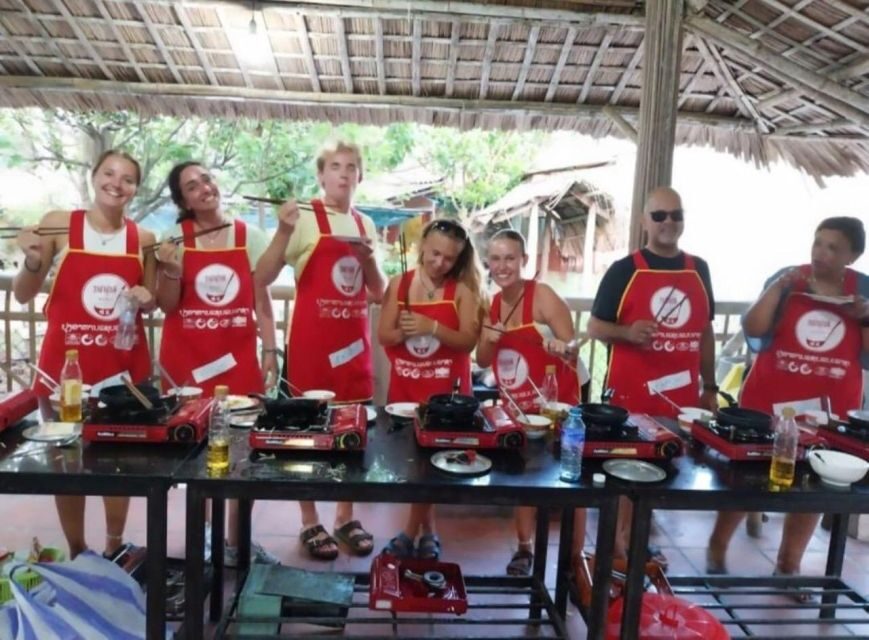
This class teaches four dishes, and they’re picked for variety. Each one trains a different cooking skill, so you don’t just repeat the same technique four times.
Tofu in Clay Pot with Steam Rice
This is the dish that explains Vietnamese comfort food logic. Tofu in a clay pot is about slow heat and gentle flavor absorption, not speed. Pairing it with steam rice also teaches the rhythm of serving: the rice acts like the neutral base that lets the tofu sauce flavors do their job.
You’ll also learn how tofu behaves when heat is applied carefully. That’s useful at home, because tofu can go from tender to rubbery if you treat it wrong. This dish makes that difference feel practical.
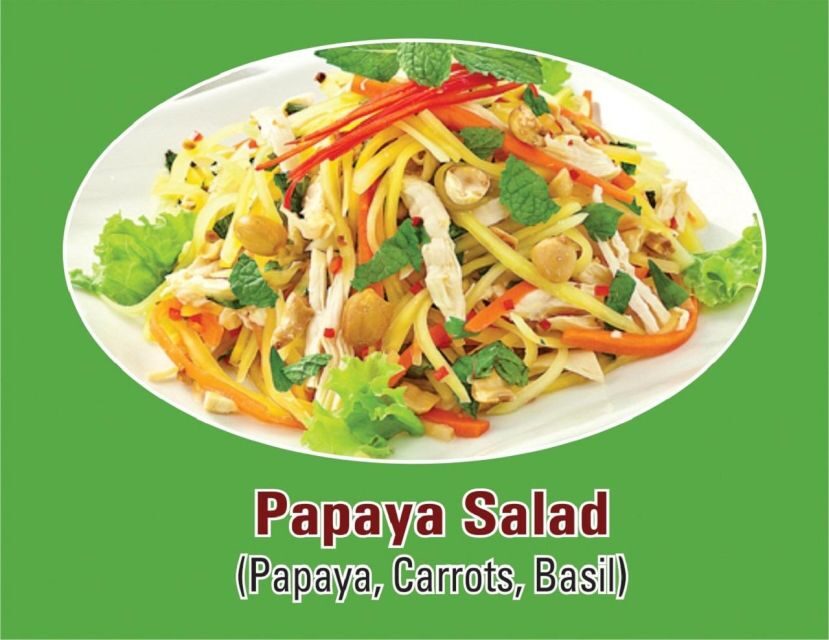
Papaya Salad (with carrots and basil)
Papaya salad is where Vietnamese cooking shows its personality: fresh, crunchy, sour, and herb-forward. The papaya plus carrot plus basil mix is a built-in lesson on balancing texture (crisp) and taste (sour/salty/sweet notes).
Even if you’ve had papaya salad before, you’ll get the method behind why it tastes right—how you prep, how you combine, and how you control the final flavor balance.
You can also read our reviews of more tours and experiences in Hoi An


Hoi An Spring Rolls
Spring rolls can be easy or frustrating depending on technique. This one is designed to teach you the mechanics: filling preparation, wrapping practice, and how to keep the texture from turning soggy.
What I like about including spring rolls here is that it’s a crowd-pleaser. When you take this skill home, it’s also something you can scale up for guests.
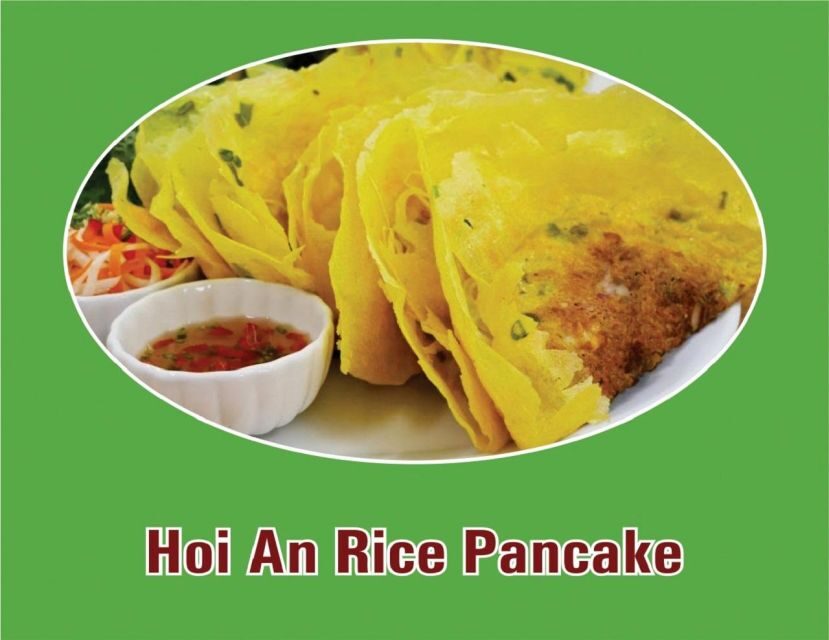
Hoi An Rice Pancake
This is the dish that feels most “Hoi An” in spirit. Hoi An rice pancake teaches batter consistency and cooking timing—because the goal is the right texture, not just “brown something in a pan.”
If you’ve ever tried a rice-based pancake at home and wondered why it didn’t come out the same, you’ll appreciate that this class focuses on the steps and the cues you should watch.
After these four dishes, you get to eat what you cooked. That part isn’t just nice—it’s the quality check. You can taste your own work immediately, and you’ll notice what you did well and what you’d tweak next time.
What the English-Speaking Chef Teaches You (and Why It Matters)
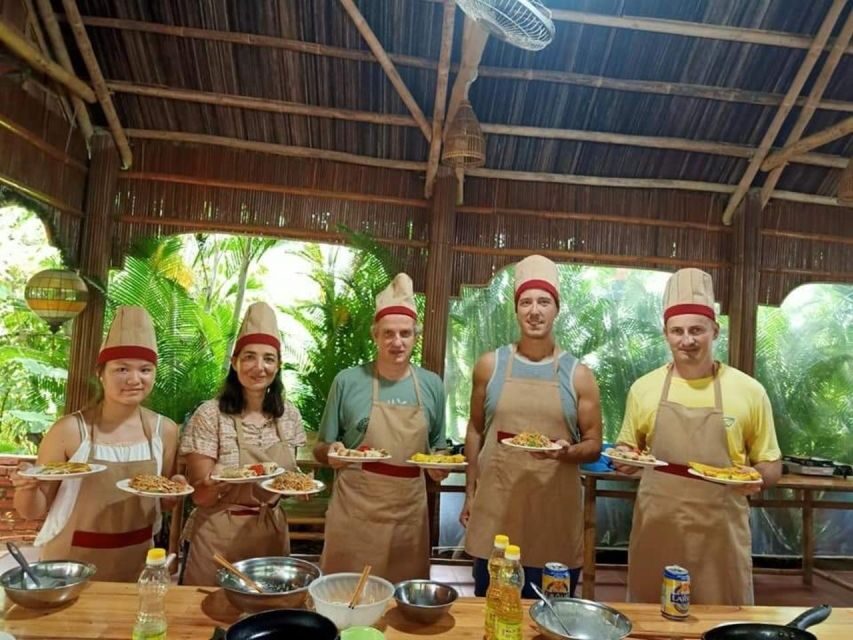
The chef gives detailed, step-by-step instructions. That matters more than people think. Vietnamese cooking often relies on small adjustments—how much to add, when to stir, how to handle ingredients before they hit the heat.
Instead of throwing a long lecture at you, the class is built around action: you follow, you watch, you do the next step. That structure is what helps you recreate the recipes later, not just remember the names of dishes.
One more detail worth appreciating: the ingredients are described as high-quality. That doesn’t automatically make a dish perfect—technique still matters—but it gives your learning a fair shot. If the herbs are fresh and the tofu is well-prepared, your results will reflect your skills, not a problem ingredient.
And because the chef is English-speaking, you’re not stuck decoding cooking terms. You’re cooking, not studying. It turns into a real skill you can use after you’re back home.
The Coconut Village Restaurant Moment: Welcome Drink + Reset
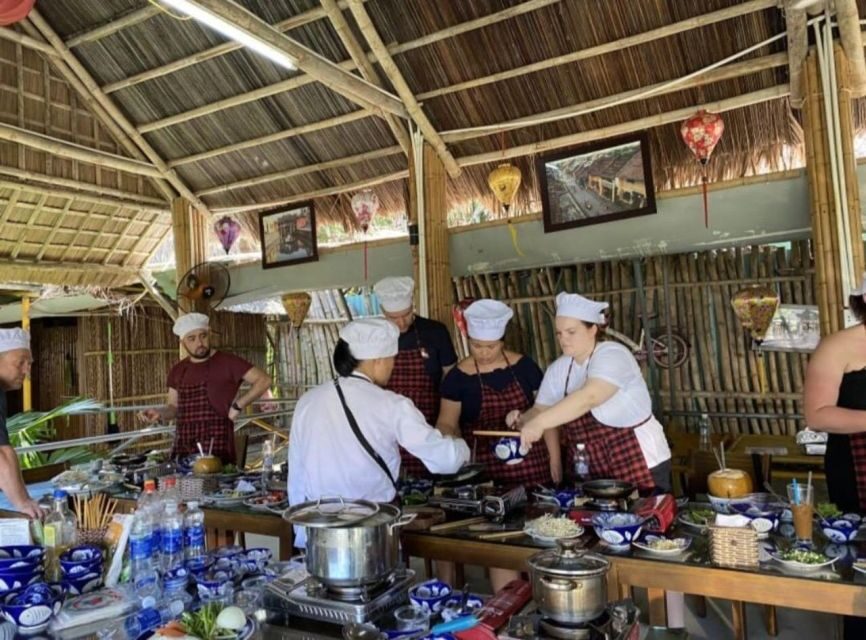
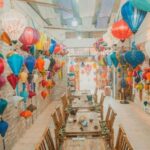
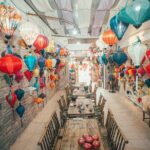
Before the cooking starts, there’s a short “reset” at a restaurant in the coconut village area. You’ll get a welcome drink and time to rest.
In practical terms, this is where the experience becomes comfortable. You arrive, settle, and then you’re ready to cook. If you’ve traveled all day, that small pause can be the difference between enjoying the class and feeling like you’re doing it just to check a box.
Also, the restaurant time helps the group mix. It’s easier to relax once you’ve had that moment to get your bearings and meet the people you’ll be cooking with.
Meal Time Turns Into a Sharing Session
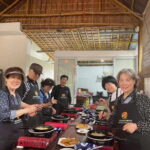
After everyone finishes cooking, you eat together. The program includes time to chat with each other as you share the meal and sample what’s been made.
This part is more than social. It helps you learn faster. Even within the same dish, cooks can slightly vary—more sauce, a tighter wrap on the spring rolls, a different texture on the rice pancake. When you taste those differences side by side, you start to understand what’s forgiving and what needs precision.
The atmosphere is described as relaxed and friendly, and that matches the way the class is structured. You’re not being judged. You’re learning, then eating. That’s the sweet spot for most people.
Price and Value in Hoi An: Why $24 Can Actually Make Sense
At $24 per person for about 270 minutes of a guided cooking class, you’re getting more than a casual activity.
Here’s what you get for the money:
- Hotel pickup and drop-off within Hoi An city center
- An English-speaking chef
- All ingredients for the class
- A meal included: lunch for the morning slot or dinner for the afternoon slot
When you add up those components, the price feels reasonable. Cooking classes without transport and without ingredients can cost more, and the “you eat what you make” part is a real perk. You’re not just paying to learn—you’re also getting a full meal outcome.
Two cost notes that keep expectations clear:
- Drinks aren’t included, so you may want to budget a small extra amount if you’re the type who likes something cold with your meal.
- Personal expenses are not included, like anything else in Vietnam.
If you want an experience where you leave with both food in your stomach and recipes you can repeat later, this is strong value for Hoi An.
Who This Vegetarian Cooking Class Fits Best
This class is a great match if:
- You want Hoi An Vietnamese cooking skills, not just sightseeing.
- You’re vegetarian (or at least vegetarian-curious) and want a class that teaches real dishes, not side salads.
- You appreciate step-by-step instruction and want something you can replicate at home.
It may be less ideal if:
- You’re looking for a meat-and-seafood menu experience.
- You mainly want a long cultural walking tour or temple visits. This is food-first, and the time focuses on cooking.
Also, it’s designed for easy participation. Kids under 3 are free and won’t join the cooking, but they’ll share services with their parents. That’s helpful for families who don’t want little ones in the kitchen.
Practical Tips Before You Go (So the Class Stays Fun)
Since the program is centered on cooking and eating, think about what will make you comfortable:
- Wear clothes you don’t mind getting a little food-smudged. Cooking is hands-on, and that’s the point.
- Bring a light layer if you get cold easily. Kitchens and transitions can feel different from the street.
- If you’re sensitive to sour flavors, the papaya salad is the one to pay attention to while it’s being mixed.
And because it’s in the coconut village area, you’ll likely be outdoors at times. Comfortable shoes help. You’ll be on your feet during the cooking and moving between spots.
Should You Book This Vegetarian Cooking Class in Hoi An?
If you want a practical, authentic-feeling Hoi An experience where you cook actual dishes and then eat them, I’d say yes—especially at $24 with transport, ingredients, and a meal included.
Book it if:
- You like learning through doing.
- You want vegetarian Vietnamese dishes with clear instructions.
- You’d rather spend your time cooking than just collecting photos.
Skip it if:
- You want a broader food tour style with lots of tasting-only stops.
- You’re not interested in vegetarian dishes.
Overall, this is the kind of activity that gives you something tangible to take home: technique, flavor balance, and recipes you can repeat.
FAQ
What dishes are included in the cooking class?
You’ll cook four dishes: Tofu in clay pot with steam rice, Papaya Salad (papaya, carrots, basil), Hoi An Spring Rolls, and Hoi An Rice Pancake.
How long is the experience?
The duration is about 3 hours (270 minutes).
Is the chef able to teach in English?
Yes. The chef is listed as English-speaking.
Where does the experience start and end?
You’re picked up from your hotel and transferred to the Cam Thanh Coconut Village area, then returned to your hotel at the end.
Is lunch or dinner included?
Yes. Lunch is included for the morning slot, and dinner is included for the afternoon slot.
Are drinks included?
No. Drinks are not included.
What’s the price per person?
The price is listed as $24 per person.
Are children under 3 allowed?
Yes. Children under 3 are free of charge and will not join in the cooking, but they share all service with their parents.
Can I cancel for a refund?
Yes. You can cancel up to 24 hours in advance for a full refund.
Is there a pay-later option?
Yes. You can reserve now and pay later, with no payment required today.