REVIEW · HOI AN
Ancient Town Walking Tour in Hoi An
Book on Viator →Operated by Danang Hoian Private Tour · Bookable on Viator
Hoi An’s Old Town feels quieter than you expect, even with plenty to see. I like this tour for its 3.5-hour walking format and the way it focuses on the town’s mix of Vietnamese, Chinese, and Japanese influences. You’ll get a guided path through some of the most recognizable historic spots.
What I also appreciate is the human touch: the guide, Jun, is described as friendly and well-informed, with clear explanations that connect buildings to everyday life in Vietnam. The one catch to consider is simple: this experience needs good weather, and you’re on your feet for most of the tour.
In This Review
- What makes this walk work (and who it fits best)
- UNESCO Old Town, on foot: why the route feels right
- Stop by stop: what you’ll see in Hoi An’s Ancient Town
- 1) Hoi An Ancient Town: the lanes that make the place
- 2) Hoi An Museum: context before you get lost in details
- 3) Ancient Houses: where the design does the storytelling
- 4) Chinese Assembly Halls: the community side of heritage
- 5) Japanese Covered Bridge: the famous photo with better meaning
- Pickup, tickets, and pacing: the small stuff that saves your day
- Price and value: what $41.03 buys you here
- Timing matters: how to avoid the biggest crowd waves
- What I think the experience is best for
- Short practical advice before you go
- Should you book this Ancient Town Walking Tour?
- FAQ
- How long is the Ancient Town walking tour in Hoi An?
- What does the tour cost?
- Is pickup available?
- Do I need to print a ticket?
- What stops are included?
- What’s included in the price?
- What isn’t included?
- How big is the group?
- What happens if the weather is bad?
- Is there free cancellation?
What makes this walk work (and who it fits best)
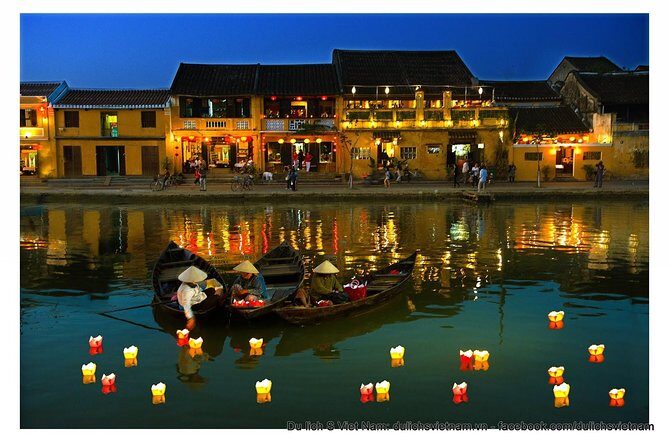
This is the kind of tour that’s built for orientation. You start in the Ancient Town area and follow a route designed to help you understand what you’re looking at—rooflines, meeting halls, and the famous bridge—without getting stuck reading signs alone.
The small group size (up to 20 people) matters. Smaller groups tend to move more smoothly through tight lanes, and it’s easier for your guide to adjust pace if you have questions about what you’re seeing.
Quick hits (what you’ll remember)
- Ancient Houses: architecture that shows how Hoi An families built status into everyday living
- Chinese Assembly Halls: a strong example of the town’s Chinese cultural layer
- Japanese Covered Bridge: the postcard sight that’s more meaningful with local context
- Hoi An Museum stop: a quick way to anchor the street scenes with background
- Small group, guided pace: up to 20 people keeps it personal enough to ask questions
- Pickup and bottled water: easier start and less fuss during the walk
UNESCO Old Town, on foot: why the route feels right
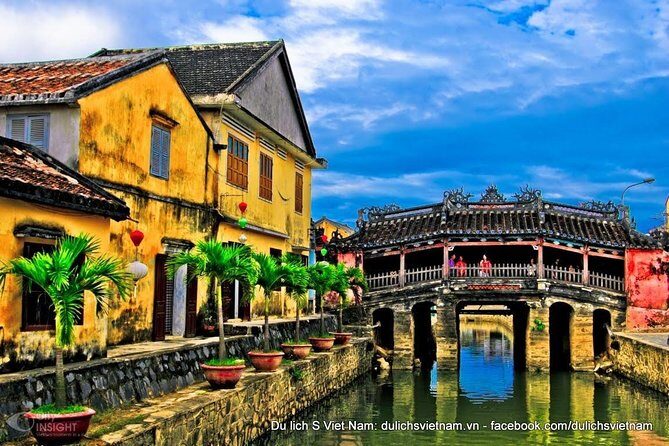
Hoi An’s Old Town has UNESCO recognition (since 1999), but the real reason people love it is how it unfolds as you walk. Streets here are narrow, the pace is slower, and the views are framed by old façades rather than big, open monuments.
This tour leans into that. Instead of rushing between distant stops, it uses the walk itself as the lesson. As you move from one historic cluster to the next, you start noticing patterns—how homes and community buildings relate, and how different cultural influences show up in details.
I also like that the tone is calm. The Old Town has a reputation for quiet and peace compared with busier tourist areas, and a walking tour helps you catch that atmosphere instead of treating it like a checklist.
You can also read our reviews of more walking tours in Hoi An



Stop by stop: what you’ll see in Hoi An’s Ancient Town
1) Hoi An Ancient Town: the lanes that make the place
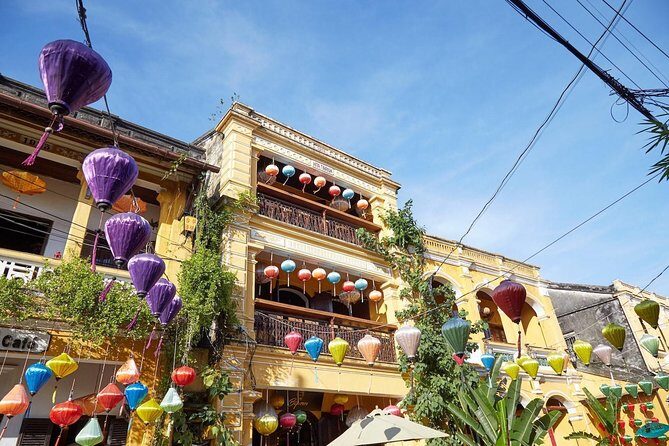
The tour begins in Hoi An Ancient Town, where the vibe is part history, part present-day life. You’re surrounded by heritage architecture—small, beautiful, and designed for people, not vehicles—which is why walking is such a good match.
One thing you’ll likely appreciate is the cultural mix you can actually see. Vietnamese touches show up in the way buildings are arranged and used, while Chinese and Japanese influences appear in specific kinds of structures and decorative styles. Your guide helps connect those dots so you don’t just notice shapes—you understand what they represent.
There’s also the “time travel” feeling people look for in Hoi An. The ancient houses offer glimpses of a more subdued past, and you’ll see how that past still shapes what visitors experience today.
Practical note: wear shoes you can walk in comfortably. The streets and lanes are not about speed, and you’ll want your footing to feel secure for long stretches.
2) Hoi An Museum: context before you get lost in details
Midway through, the tour includes Hoi An Museum with admission included. This is a smart addition because the Old Town is full of visual clues, and the museum helps you decode them faster.
Instead of trying to infer everything from architecture alone, you get a background layer. That makes later stops more rewarding—especially when you see assembly halls and the covered bridge, because you’ll have a clearer sense of what role these places played.
Think of the museum as your mental key. After it, the walk stops being a string of photos and starts turning into a story.
3) Ancient Houses: where the design does the storytelling
The tour highlights many of the town’s ancient houses, known for remarkable architecture. These aren’t just pretty exteriors. They reflect how families lived, worked, and expressed identity through building design.
As you view these houses, pay attention to details your guide points out. Even if you don’t know the terminology, you can often tell what’s meaningful once someone connects it to community life, trade, or the cultural blending that shaped Hoi An.
If you enjoy architecture and want photos that look better because you understand them, this stop is one of the best reasons to choose the tour.
What to watch for: the best views are often from small angles—standing in the right place makes a big difference in how the building lines up with the street.






4) Chinese Assembly Halls: the community side of heritage
Another highlight is visiting Chinese Assembly Halls. These are tied to the Chinese cultural presence in Hoi An, and they help explain how different groups organized community life.
Assembly halls can look similar at a glance, but a guided visit helps you notice what’s distinct. When your guide frames what the buildings were for, you start seeing them as social spaces, not just landmarks.
This is also a good moment to slow down. The atmosphere inside and around heritage buildings often changes, and it’s worth taking a little extra time to observe rather than rushing for the next photo.
5) Japanese Covered Bridge: the famous photo with better meaning
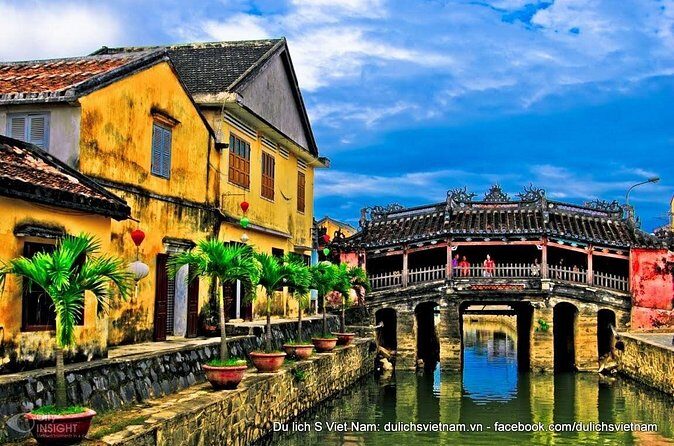
No Hoi An walking plan feels complete without the Japanese Covered Bridge. It’s a recognizable symbol of the town, and the covered design makes it visually striking in a way that’s hard to capture from just one angle.
With a guide, the bridge becomes more than a photo stop. You’ll likely come away with a clearer sense of why this structure matters and how it fits the wider story of cultural influence in the Old Town.
This part works well near the end of the tour, when you’ve already learned enough to spot patterns across buildings. By then, the bridge often feels less like a single sight and more like a final piece in the puzzle.
Pickup, tickets, and pacing: the small stuff that saves your day
This tour offers pickup, and it uses a mobile ticket, which helps if you’re trying to keep your planning simple. Pickup matters in Hoi An because you may be staying a short distance away from the Ancient Town core, and you don’t want to spend time navigating when the tour is already short.
It runs about 3 hours 30 minutes, which is long enough to feel satisfying but not so long that you’re exhausted early. Still, it’s a walking tour, so plan for regular movement and a few stops to look around.
The experience includes all fees and taxes, bottled water, and your guide, and it lists an admission ticket included. For $41.03 per person, that’s the kind of value that helps you avoid surprise costs once you’re already in town.
Price and value: what $41.03 buys you here
At $41.03 per person, this isn’t a bargain tour, but it also isn’t trying to be luxury-priced. The value comes from the combination:
- Guided route through major Old Town highlights
- Museum entry covered
- Bottled water and covered fees/taxes
- Pickup offered (less friction for your day)
For me, the real win is the guide-led context. Hoi An’s sites are beautiful, but without a guide, you can end up with photos and no story. With a guide, those same sights start to connect—Chinese assembly halls make more sense after you learn about the community layer, and the Japanese covered bridge lands better when you’ve already seen other cultural influences.
If you’re visiting on a short schedule, or you want the best payoff without spending hours researching each site, this pricing structure feels fair.
Timing matters: how to avoid the biggest crowd waves
A strong practical tip is to consider an early start. One of the best pieces of feedback tied to timing is that an 8am tour can help you miss crowds, which makes the Old Town feel more peaceful and easier to enjoy.
If you’re flexible, early hours generally mean:
- More comfortable walking
- Better photo conditions (less scramble in the foreground)
- A calmer feel as you move through narrow lanes
You’re not guaranteed empty streets, but timing makes a noticeable difference in how the town “reads” as you walk through it.
What I think the experience is best for
This works especially well if you:
- Want a guided orientation to Hoi An Ancient Town
- Like history told through buildings you can see
- Prefer a paced walk rather than a rushed tour bus ride
- Appreciate a small group size (max 20)
It may feel less ideal if you:
- Want a long, independent explore day with no structure
- Dislike walking for most of the tour duration
- Are traveling on days when weather looks questionable (this experience requires good weather)
Short practical advice before you go

Bring light layers, because morning to mid-day weather can shift. Use sunscreen if you’re prone to burning, and keep your day bag simple so you’re not juggling too much while walking.
Also, when your guide explains the cultural layers, take it seriously. Even a few minutes of attention can completely change how you see the architecture. You’ll likely end up with fewer photos but better ones—plus a stronger sense of what you’re looking at.
Should you book this Ancient Town Walking Tour?
Yes, if you want the easiest path to understanding Hoi An’s most important Old Town landmarks in a short time. The tour’s strongest selling points are the focused walking route, the included Hoi An Museum background stop, and the small-group vibe that keeps things from feeling chaotic.
If you value context as much as scenery, and you can aim for a calmer time like an early start, this tour is a smart use of your day. If you’re visiting during uncertain weather or you don’t do well on foot, you might want to hold off and choose a different day when conditions are stable.
FAQ
How long is the Ancient Town walking tour in Hoi An?
It lasts about 3 hours 30 minutes (approx.).
What does the tour cost?
The price is $41.03 per person.
Is pickup available?
Yes, pickup is offered.
Do I need to print a ticket?
No. A mobile ticket is provided.
What stops are included?
The tour includes Hoi An Ancient Town, Hoi An Museum, many ancient houses, Chinese Assembly Halls, and the Japanese Covered Bridge.
What’s included in the price?
It includes all fees and taxes, bottled water, and the guide. Admission ticket is also included.
What isn’t included?
Personal expenses aren’t included.
How big is the group?
The maximum group size is 20 travelers.
What happens if the weather is bad?
This experience requires good weather. If it’s canceled due to poor weather, you’ll be offered a different date or a full refund.
Is there free cancellation?
Yes, you can cancel for a full refund up to 24 hours in advance of the experience’s start time.