REVIEW · HOI AN
The 10 Tastings of Hoi An: Private Street Food Tour
Book on Viator →Operated by Withlocals · Bookable on Viator
This is the easiest way to eat like a local in Hoi An. A private food guide walks you through neighborhoods you’d miss on your own, then stacks in 10 tastings plus key sights between bites. I especially like how the route mixes culture stops with food, so you learn as you go—not just chase plates.
What I like most is the personal pacing of a private tour and the fact that you can ask for tweaks to what you taste. You also get a real “how to order and eat” lesson style, not a random sample tray. One consideration: the tour is about 3 hours on your feet, with no hotel pickup, so plan to meet in the Cẩm Châu area and wear comfy shoes.
In This Review
- Key highlights to know before you go
- 10 Tastings of Hoi An: the simple plan that makes you eat smarter
- Meeting at the Nam Quang Pagoda area, then getting oriented fast
- Phin coffee and shrimp wonton: learning flavors, not just sampling
- From pho origins talk to Chaozhou Assembly Hall legends
- Cao Lầu twice: the Hoi An dish you should pay attention to
- Fruit in Hoi An’s market: quick sweetness before the heavier bites
- Bánh mì in an ancient-house yard, then morning glory with a name lesson
- Ancient wells and temples: why the breaks between bites matter
- Bánh It La Gai at a Vietnam War veteran-owned café
- Price and what $69.93 buys you in real value
- Who should book this private street-food tour (and who might skip it)
- Final call: should you book this 10 tastings tour?
- FAQ
- How long is the 10 Tastings of Hoi An private street food tour?
- Is this tour private or shared?
- What’s included in the tastings?
- Can the itinerary be changed for dietary needs?
- Where does the tour start and end?
- Is hotel pick-up included?
- Is mobile ticketing used, and when should I cancel for a refund?
Key highlights to know before you go
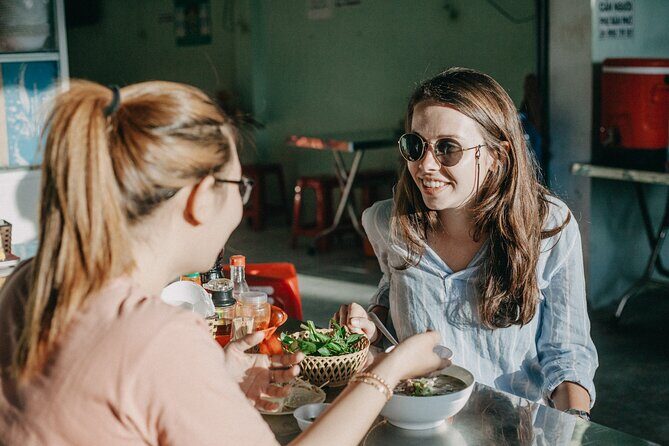
- Private, 1-on-1 guiding means you can ask questions and adjust pacing
- 10 food and drink tastings spread across Hoi An’s classic flavors and markets
- City highlights between stops, including bridges, assembly halls, temples, and old wells
- Food tailored to you with vegetarian alternatives and options for dietary restrictions
- Family-run coffee and market-side bites, so you see how food is actually made and served
- Tam (a local guide) is a standout for staying kind, organized, and focused on local details
10 Tastings of Hoi An: the simple plan that makes you eat smarter
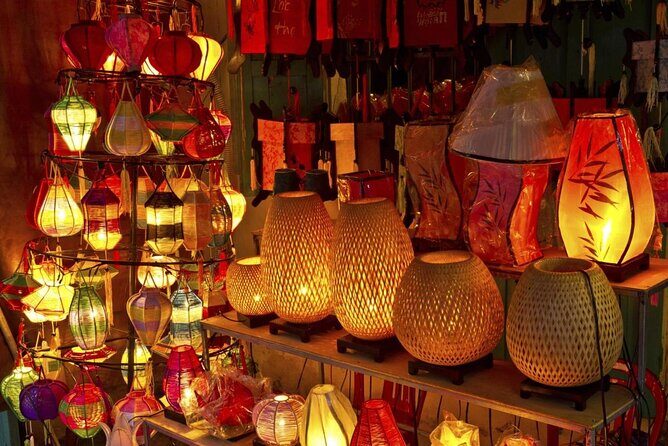
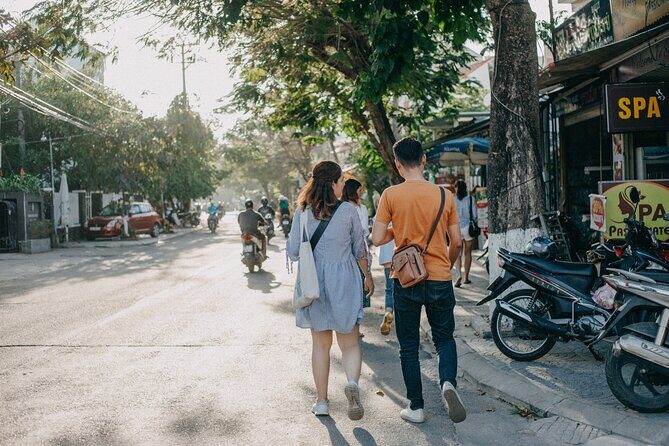
Hoi An is a town where food is the attraction, even when you’re not hunting it. This private street-food tour turns that fact into a clear route. In about 3 hours, you move through the parts of town that make the biggest difference: family stalls, markets, and a few heritage sites that explain why Hoi An tastes the way it does.
The value here comes from the mix. You’re not only sampling dishes—you’re learning the local logic behind them. A good example is the coffee stop: you don’t just drink phin (Vietnamese coffee), you see how it’s made and compare styles through tastings, so you know what you’re tasting next.
And because it’s private—you and your guide—you can keep asking follow-up questions. If you want more seafood, less pork, or you’re curious about one dish in particular, your guide can steer the itinerary.
You can also read our reviews of more food & drink experiences in Hoi An

Meeting at the Nam Quang Pagoda area, then getting oriented fast
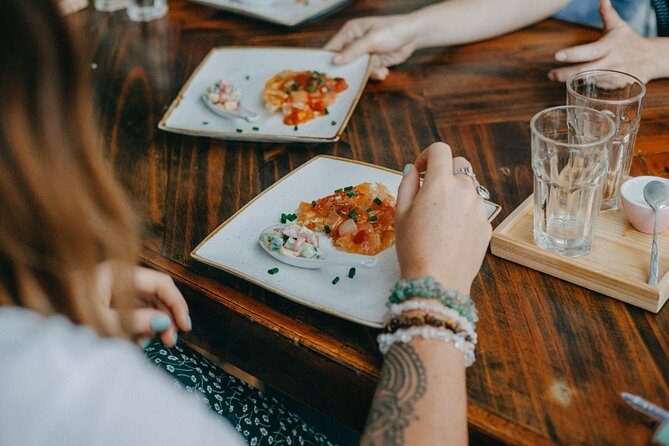
The tour starts near Nam Quang Pagoda (you’ll check in by the Aum Yoga Vietnam area). This first stop is short, but it matters. It gives you quick context for Hoi An’s beliefs and everyday rhythms before you jump into eating.
I like openers like this because they set the tone. You’ll be walking past temples and assembly halls later, and having that first cultural grounding makes it easier to connect the dots between “food stalls” and “why this town works.”
From there, the tour shifts into food mode immediately—small stops, frequent bites, and just enough walking to keep your appetite awake.
Phin coffee and shrimp wonton: learning flavors, not just sampling
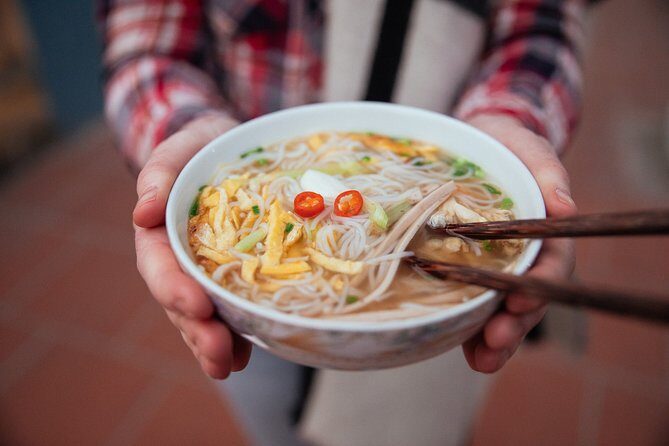
One of the most useful parts of this experience is how the guide explains the basics while you taste. At a family-run coffee shop, you’ll see how phin is made and then try different coffees to notice the differences.
Then you’ll move to a classic street-food style tasting: a fried wonton with minced shrimp and pork. What’s clever is the way the tour frames it. Even though the wonton style can trace back to Chinese origins, it’s adapted to local preferences in Hoi An—so you’re tasting “Vietnamese version,” not something imported unchanged.
This combination—coffee lesson plus a quick savory bite—does two things. It wakes up your palate and it teaches you the local “why” behind familiar foods.
Tip for you: bring an appetite, but don’t go heavy on breakfast first. The tastings are frequent, and that’s the point.
From pho origins talk to Chaozhou Assembly Hall legends
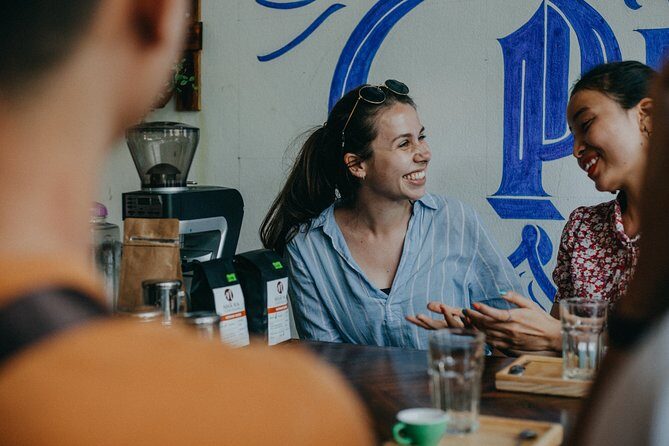
There’s a quick cultural stop near Hoi An Handicraft Workshop, where you’ll hear the origins story linked to pho and learn how to eat it Vietnamese way. Even if you’ve had pho before, the value here is the eating style guidance—small habits can change the whole experience.
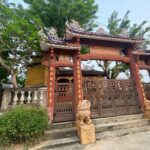
Next comes a sight-and-story moment at Cam Nam Bridge. You’ll check out the Chaozhou Assembly Hall, built to worship General Ma Yuan, a figure believed to help conquer waves at sea. This is the kind of detail that makes Hoi An feel like more than postcard streets.
It’s also a breather. After the food lessons, you get a short walk and a few minutes to look around before the next meal-focused stretch.
Cao Lầu twice: the Hoi An dish you should pay attention to
If you want one dish that helps you understand Hoi An’s “mix of cultures,” it’s Cao Lầu. This tour gives you that lesson in a practical way by building tastings around it.
You’ll taste Cao Lầu at Precious Heritage by Réhahn, one of the more authentic-feeling stops on the route. Then you’ll have another Cao Lầu tasting at the Central Market area. That second sample is a good move. It helps you notice how the dish can shift slightly by where it’s served—broth, toppings, and textures can feel different even when the core is the same.
For you, that means you leave with a real reference point. Instead of one “I tried it” moment, you get “I understand what I like and why.”
You can also read our reviews of more tours and experiences in Hoi An



Fruit in Hoi An’s market: quick sweetness before the heavier bites
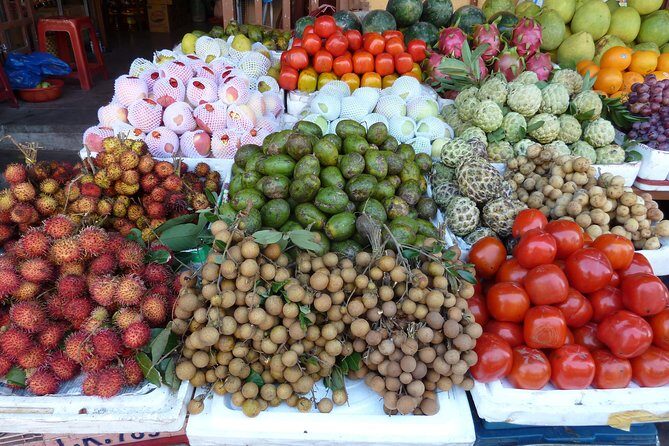
At Hoi An’s main market, the tour keeps momentum but changes the flavor direction. You’ll try seasonal fruit from a local vendor, and the specific fruit can vary by season (think dragonfruit or mango, depending on what’s available).
Then you get time to explore the market atmosphere. You’re not just passing through—your guide talks about the history and keeps you oriented with how the market feels and works.
I like that this stop gives you a palate reset. After savory fried items and hearty noodles, a bit of fruit and movement helps you stay comfortable for what comes next.
Bánh mì in an ancient-house yard, then morning glory with a name lesson
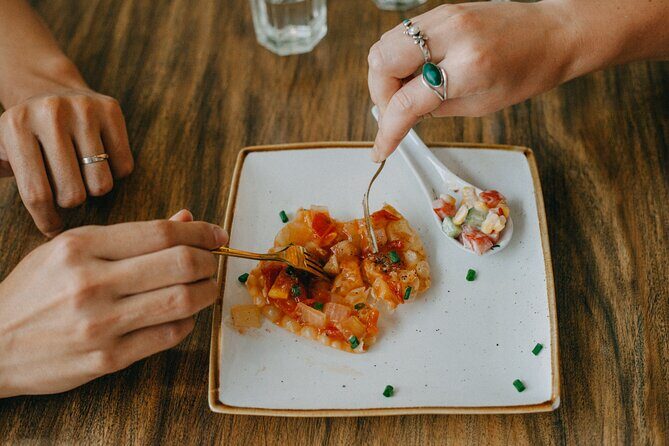
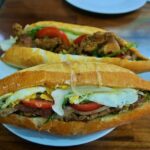
No Hoi An food tour feels complete without bánh mì, and here you get it served in a way that fits the town’s character. Your tasting is in the spacious front yard of an ancient house, which adds a little extra meaning to a simple snack. You’re eating bánh mì where it feels lived-in, not in a tourist-only setting.
Right after that, you’ll try Morning Glory. The tour frames this as a popular dish in Hoi An with a peculiar name. You’re tasting a veggie-based dish, and the guide’s explanation helps you understand what you’re eating and why it’s worth ordering locally.
This is where the “10 tastings” format really works. You’re not only repeating famous hits; you’re collecting variety—coffee, savory, noodles, street sandwiches, then a veggie dish—so you get a better sense of Hoi An’s everyday table.
Ancient wells and temples: why the breaks between bites matter
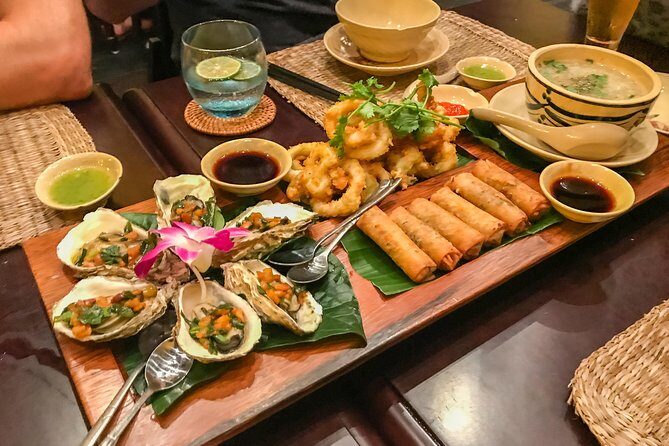
Between tastings, you’ll see key heritage markers. After the market segment, the route includes an old well built almost 1000 years ago by Champa people, with a unique architectural style. The stop is near Fukian Assembly Hall, so you get that feeling of older layers of the city overlapping.
Then you’ll go to Ba Le Well, and this is also where the last major food tasting comes in: Ba Van chicken rice. The tour describes it as buttery and melt-in-your-mouth, and the point is simple—you’ll be eating a Hoi An-style chicken rice that you’re unlikely to find in the same way anywhere else.
These well visits may sound “extra,” but they change how you experience the meal tastings. When you understand the town’s structure—assembly halls, old wells, temple proximity—you stop seeing food stops as random. They start feeling like part of the same living system.
Bánh It La Gai at a Vietnam War veteran-owned café
The final taste is at a café owned by a Vietnam war veteran near the Hoi An Theatre. This stop is two tastings in one place: Bánh It La Gai, which you’ll see described as rice-based with a distinctive black color and a refreshing flavor, plus iced Vietnamese tea.
This is a strong closer because it’s both unusual and grounded in local life. It’s the kind of snack that’s hard to order correctly if you don’t have help, and it’s exactly the sort of dish that makes a food tour feel like a real education instead of a checklist.
After that, you say goodbye to your host with additional suggestions for what to do next in Hoi An. That final recommendation piece is underrated—you’re leaving with a better sense of what to chase after your tour ends.
Price and what $69.93 buys you in real value
At $69.93 per person, this is not the cheapest street food option. But it’s also not trying to be. You’re paying for a private guide, a planned route, and 10 tastings paired with context and short cultural stops.
Here’s the value logic I’d use if I were choosing:
- If you’re the type who likes to ask questions and walk away understanding what you ate, the guide earns the price.
- If you want a safe, efficient route that prevents you from wasting time guessing where to eat, the plan earns the price.
- If you only want a couple of snacks and you hate walking, then this format may feel more costly than it needs to be.
You also get vegetarian alternatives, and the tour mentions you can offer wishes at the start if you have dietary restrictions. For many people, that flexibility makes the price feel more fair.
Who should book this private street-food tour (and who might skip it)
This tour fits best if you:
- Want an intro to Hoi An food culture without planning every stop yourself
- Prefer private guiding over joining a larger group
- Enjoy market and street-food energy, but you’d rather do it with a local guide
- Like learning how food is made, not just what it tastes like
You might skip it if you:
- Don’t like walking for about 3 hours (the fitness level is described as moderate)
- Want hotel pickup (this tour doesn’t include it)
- Only want one or two foods and dislike tasting menus
Final call: should you book this 10 tastings tour?
If you’re going to eat your way through Hoi An, this is a smart way to do it. The route makes room for both food and context, and the private guide means you can actually steer the experience toward what you care about. If you like the idea of sampling classic dishes like Cao Lầu, trying market fruit, and ending with Bánh It La Gai and iced tea in a meaningful café setting, I’d book it—especially if you’re short on time and long on curiosity.
FAQ
How long is the 10 Tastings of Hoi An private street food tour?
It runs for about 3 hours.
Is this tour private or shared?
It’s private. Only you and your local guide participate.
What’s included in the tastings?
The tour includes 10 food and drink tastings, plus vegetarian alternatives.
Can the itinerary be changed for dietary needs?
Yes. Alternatives are offered for dietary restrictions, and you can let your guide know your wishes at the beginning or contact the provider after booking.
Where does the tour start and end?
It starts in Hội An, Cẩm Châu, Hội An, Quảng Nam, Vietnam, and ends back at the same meeting point.
Is hotel pick-up included?
No. Hotel pickup and drop-off are not included.
Is mobile ticketing used, and when should I cancel for a refund?
A mobile ticket is included. Cancellation is free up to 24 hours in advance for a full refund.