REVIEW · HOI AN
From Hoi An: Cooking Class at Organic Farm
Book on GetYourGuide →Operated by Lemon Basil Cookery & Restaurant · Bookable on GetYourGuide
Fresh herbs beat any cookbook. In Tra Que vegetable village at Lemon Basil Cookery, I like the farm-to-table organic ingredients and the hands-on small-group cooking. One thing to plan for: there’s no pickup, so you’ll need to get there on your own.
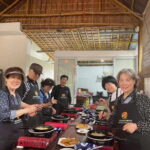
You start with a farm visit (not just a quick stop) and then cook classic Vietnamese dishes with an English-speaking instructor and helpers, in a class sized for about 10 people. The pace feels friendly and interactive, even if you’re a total beginner with a knife.
This is one of those Hoi An activities that turns food into a story you can taste. The only catch is that the experience rewards your participation, so go with a mindset to chop, cook, and taste as you go.
In This Review
- Quick highlights
- Tra Que vegetable village start: why the farm setting matters
- Farm tour and Tra Que spring-roll prep: from garden greens to your first bite
- Cooking the four classics: green papaya salad, clay pot fish, and Bánh Xèo
- Green papaya salad: learning balance, not just technique
- Fish in clay pot: why this dish feels special
- Bánh Xèo: a crispy challenge that stays fun
- What you’ll notice throughout the cooking time
- Communal meal, certificate, and those little extras that make it stick
- Is $27 a fair price? What’s included (and what isn’t)
- Who this 3-hour class suits best in Hoi An
- Should you book Lemon Basil Cookery in Tra Que?
- FAQ
- How long is the cooking class?
- What does the class cost?
- Do I need to arrange my own transport?
- What dishes will I cook?
- Is it a small group?
- Is the instruction in English?
- Can the class handle dietary restrictions or allergies?
- Where do I meet for the class?
Quick highlights

- Organic farm-to-table with ingredients pulled from the vegetable village
- Tra Que Spring Rolls plus three more Vietnamese staples you’ll cook yourself
- Small group of up to 10 for actual hands-on help
- English-speaking chefs who keep instructions clear and the mood light
- Dietary flexibility with an allergy check before cooking
Tra Que vegetable village start: why the farm setting matters
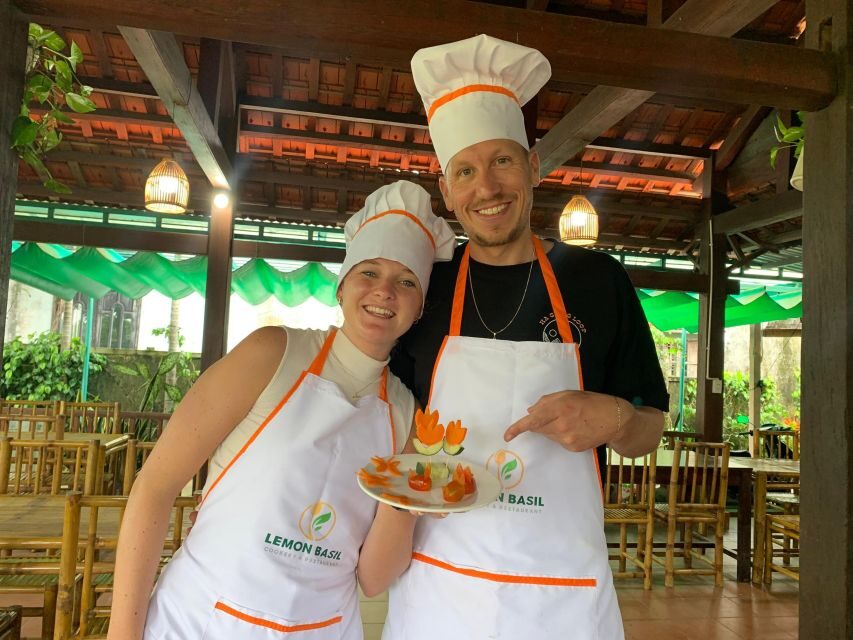
Hoi An’s cooking scene is full of classes, but this one has a different feel because you begin in the Tra Que vegetable village. The location is tied to farming and herbs, so the day starts with the smell of fresh greens instead of the smell of reheated food.
The meeting point is at Lemon Basil Cookery & Restaurant, right in the vegetable village. Because pickup is not included, you’ll want to allow time to arrive early. I’d aim to get there about 10 minutes before the scheduled start so you’re not rushed when the group settles in.
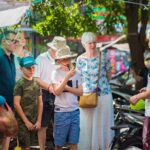
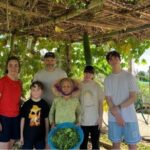
I also like the way the farm visit isn’t treated like a photo op. You get time to look at what’s growing, learn what herbs and crops are being cultivated, and, in some sessions, you may even help with simple tasks like watering or planting greens. That small “we’re in this together” part makes the cooking steps feel more meaningful when you’re back at the kitchen.
You can also read our reviews of more cooking classes in Hoi An

Farm tour and Tra Que spring-roll prep: from garden greens to your first bite
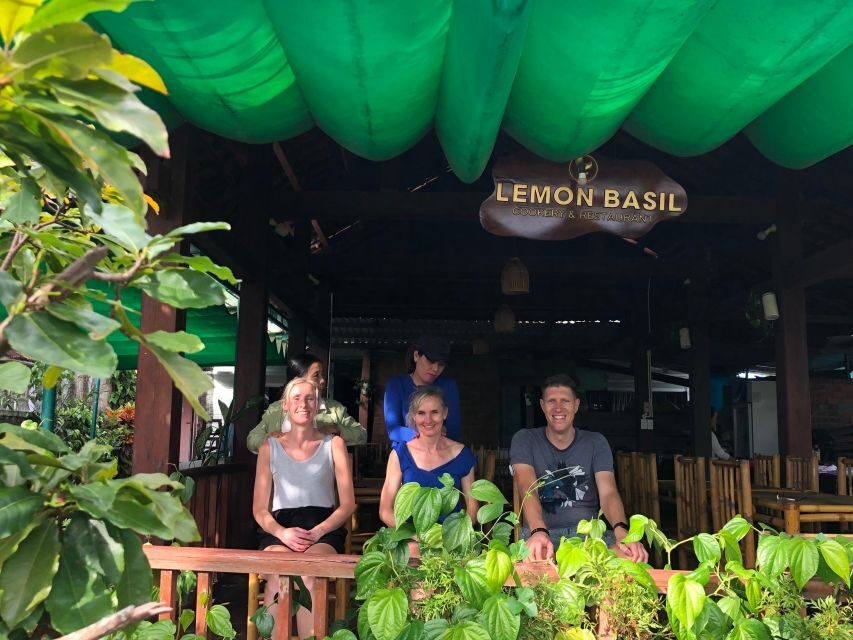
The class begins with an ingredient introduction, built around what you can actually grow locally. The focus is on organic produce, and the first dish connection is Tra Que Spring Rolls.
In practice, this section sets you up for success. You’re not only told what you’ll cook, you also see the herbs and produce that give Vietnamese spring rolls their flavor. When you later taste what you made, you can connect the dots: crunch comes from fresh ingredients, fragrance comes from herbs, and seasoning becomes easier when you understand what’s available.
If you’re the type who likes to know where flavors come from, this part is satisfying. And if you just want to eat well, it’s still useful because you’ll handle some of the ingredients yourself while learning how they’re meant to be combined.
Cooking the four classics: green papaya salad, clay pot fish, and Bánh Xèo
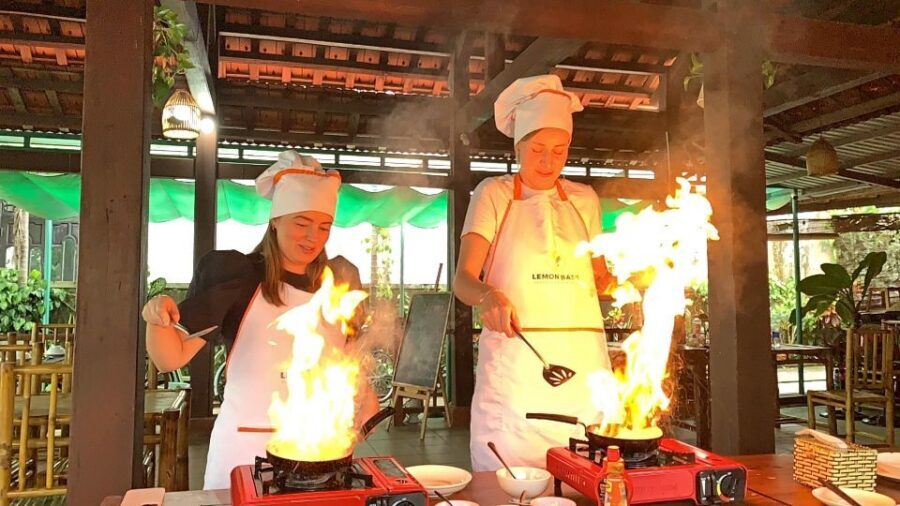
After the farm tour, the energy shifts to hands-on cooking. The class is designed for beginners and intermediate cooks alike, and it stays structured so you’re not left standing around wondering what happens next.
You’ll work on four iconic Vietnamese dishes:
- Tra Que Spring Rolls
- Green Papaya Salad
- Fish in Clay Pot
- Vietnamese Crispy Pancake (Bánh Xèo)
Green papaya salad: learning balance, not just technique
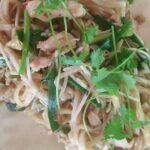
Green papaya salad is all about balance. You’re tasting as you go, and that matters more than getting one “perfect” step. The chefs guide you through how the flavors fit together, so you understand why the salad tastes bright and not flat.
This is a great dish for learning what you personally like. If you prefer more tang, you’ll be able to adjust toward it during your tasting moments. If you’re unsure where to start, the step-by-step help keeps you moving.
Fish in clay pot: why this dish feels special
Clay pot cooking is one of those Vietnamese traditions that shows up on menus for a reason. The lesson isn’t just about making dinner. It’s about learning how a cooking vessel and heat method create a different depth of flavor.
You’ll prepare the fish in clay pot as part of the main cooking block, with the chefs explaining what you should watch for. This dish also tends to reward people who learn best by doing, because you get to see how the process changes the fish.
You can also read our reviews of more tours and experiences in Hoi An
Bánh Xèo: a crispy challenge that stays fun
The Bánh Xèo lesson is where the class often gets lively. It’s the Vietnamese crispy pancake that can look intimidating until someone breaks it down. You’ll follow the chef’s directions and work with the batter and fillings while the group stays on pace.
One helpful detail: instructors often keep the mood light, with plenty of side jokes and encouragement. That matters when you’re trying something tricky, like getting a crisp result or managing the pancake flipping stage. You’re not expected to be a pro. You’re expected to try, taste, and learn.
What you’ll notice throughout the cooking time
A lot of the class quality comes from small coaching moments. People say the hosts and chefs are funny and attentive, and you can feel that in how they explain steps in a way that clicks. I like that the instruction stays practical: you’re not just listening, you’re cooking alongside the teacher and learning why decisions matter.
Also, since the group is small (up to 10 participants), you’re more likely to get direct help rather than being stuck waiting for attention.
Communal meal, certificate, and those little extras that make it stick
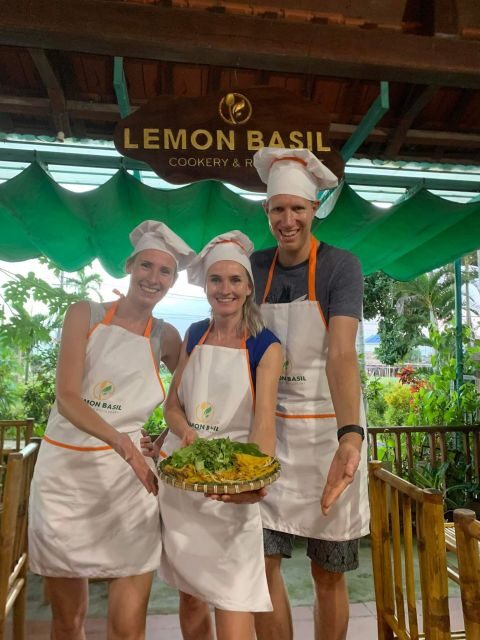
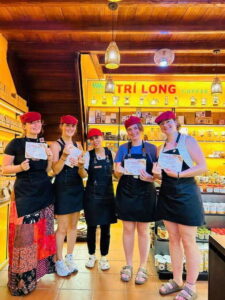
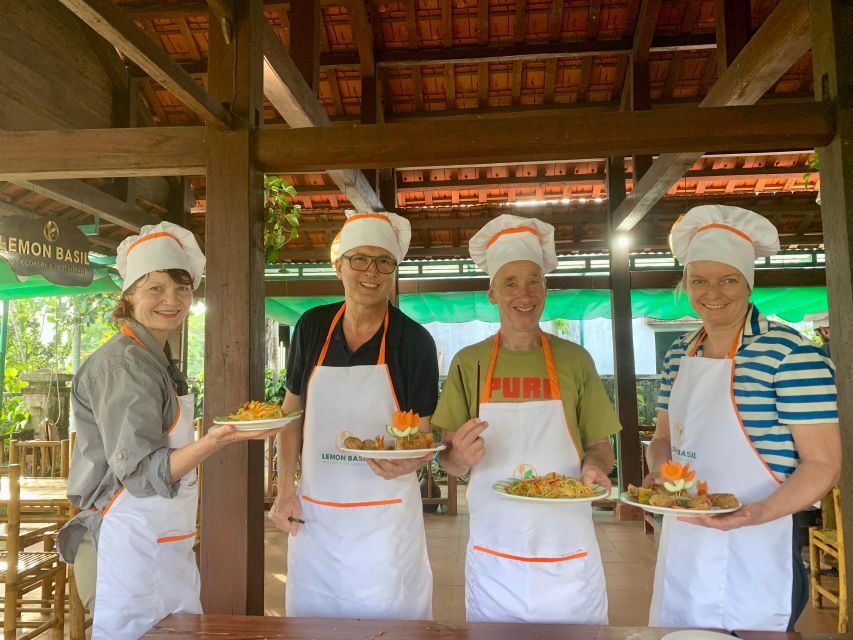
Once cooking is done, you eat what you made—together. The class includes communal dining, so you’re not plated off to the side like a spectator. You share the food at the table, and that makes the whole experience feel more like a shared meal than a demo.
This setup also helps you learn faster. You can compare tastes with your cooking partners, ask questions in the moment, and pick up tips without feeling awkward. It’s a small detail, but it changes the day.
You also receive a certificate of completion. It’s not life-changing, but it’s a fun keepsake that makes the experience feel official and complete—especially if you’re collecting memories in Hoi An beyond temples and lanterns.
In some sessions, hosts also take photos or short video clips during the cooking. I’d treat that as a nice bonus rather than a guaranteed part of every class, but it’s the kind of extra that makes it easier to remember what you cooked.
Some groups also mention fresh fruit at the end of the meal, like mango, pink jackfruit, and lychees, plus a takeaway mango in certain cases. Again, consider it a potential bonus depending on the day.
Is $27 a fair price? What’s included (and what isn’t)
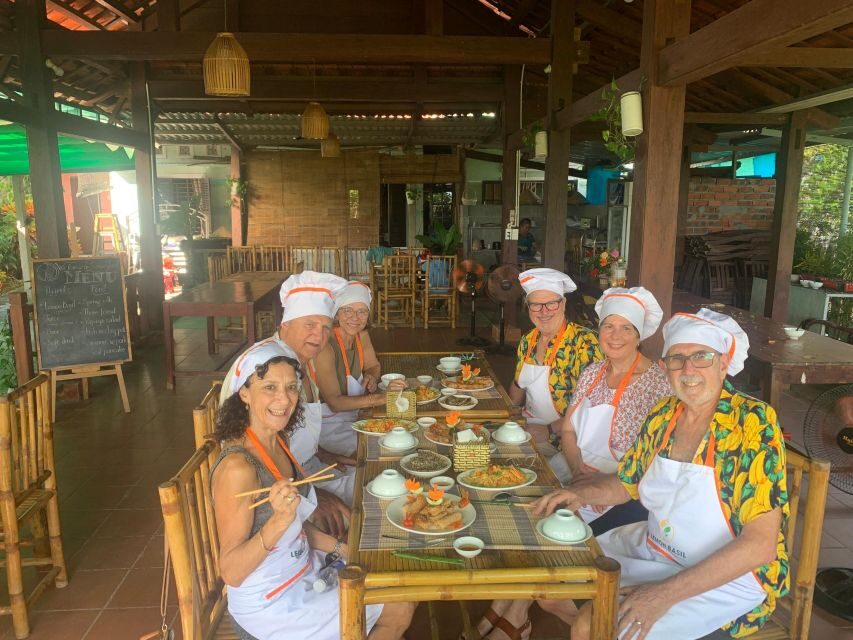
At $27 per person, this class sits in the “good value” range for Hoi An, mainly because it includes more than the meal.
What you get:
- Hands-on cooking with English-speaking chefs
- Ingredients for four dishes
- Organic farm tour access
- Communal dining
- Certificate of completion
The duration is listed as about 3 hours (some schedules run around 3 to 3.5). You’re paying for instruction, ingredients, and time in a real farm setting. If you were to buy ingredients and cook these dishes at home after a grocery run, it’s usually not cheaper once you factor in the coaching and the experience of learning the dishes properly.
What you don’t get:
- Transportation to or from the restaurant
- Any extra food or drinks beyond what’s included
That last point matters in planning. Since there’s no pickup, the “true cost” for you is partly about how you’ll travel to Tra Que. If you’re already staying nearby or you can easily reach Tra Que by taxi or bike, this price feels even better.
Who this 3-hour class suits best in Hoi An
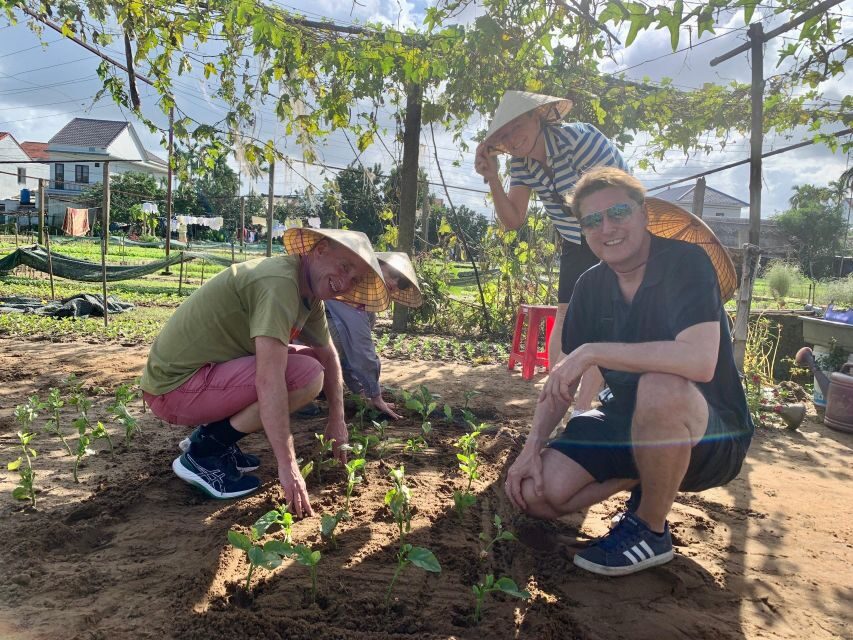
This class is a strong match if you want Vietnamese food training that actually includes the farm connection. It also suits you if you learn best by doing. The structure is designed so people with no cooking background can jump in and still feel successful.
It’s also a good choice for food travelers who like real interaction. Hosts and chefs are described as welcoming, funny, and attentive, including names like Min, Minh, and Jessica showing up as instructors or lead hosts in different sessions. Even when the group changes, the teaching style seems consistent: clear guidance, lots of encouragement, and a friendly pace.
Dietary needs are taken seriously here. The class is described as flexible for different dietary requirements, and allergy considerations are discussed so you’re not left guessing. If you avoid pork or have other restrictions, it’s worth emailing or messaging ahead of time so the chefs can plan accordingly.
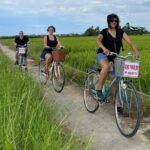
If you’re short on time in Hoi An, the 3-hour length makes it practical. It’s also easy to pair with other nearby activities in Tra Que—like a relaxed bike loop or a coffee stop—since the class stays in that vegetable village area.
Should you book Lemon Basil Cookery in Tra Que?
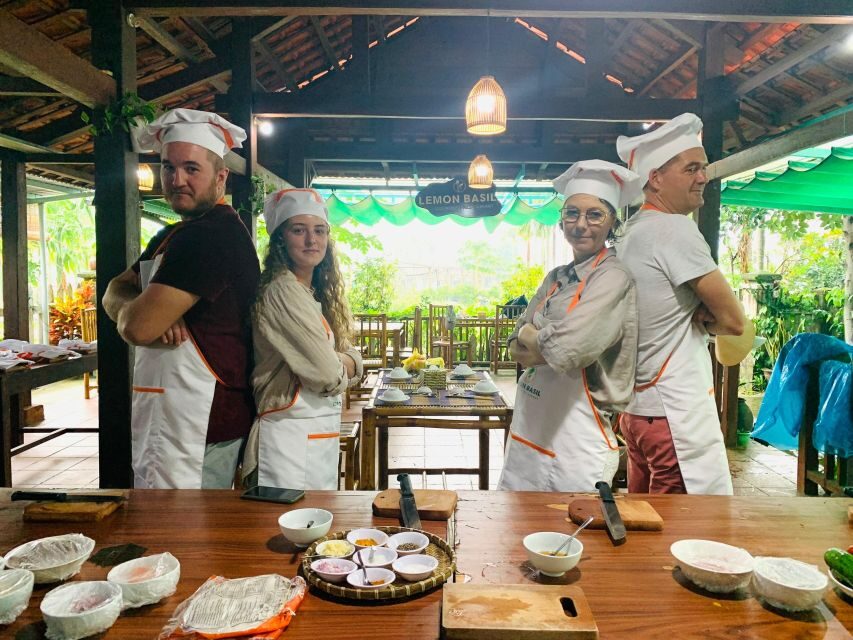
I’d book this if you want a hands-on cooking class that includes real organic farm context and teaches you dishes you can actually make again. The value is strong because you’re paying for four full Vietnamese dishes, ingredient prep help, English instruction, and a small group setting that keeps you engaged.
Skip it (or at least plan extra transport time) if you hate independent arrivals. Since pickup is not included, you’ll need to handle your own way to Lemon Basil Cookery & Restaurant in Tra Que.
If your goal is learning, eating well, and getting a fun story to take home, this is an easy “yes” for Hoi An.
FAQ
How long is the cooking class?
The Lemon Basil Cooking Class runs for about 3 hours, with some schedules listed as approximately 3 to 3.5 hours.
What does the class cost?
The price is $27 per person.
Do I need to arrange my own transport?
Yes. Pickup is not included, so you’ll need to make your way independently to the meeting point.
What dishes will I cook?
You’ll cook Tra Que Spring Rolls, Green Papaya Salad, Fish in Clay Pot, and Vietnamese Crispy Pancake (Bánh Xèo).
Is it a small group?
Yes. The group is limited to 10 participants.
Is the instruction in English?
The class includes English-speaking skilled chefs.
Can the class handle dietary restrictions or allergies?
You can inform the team of dietary restrictions in advance. The class is described as flexible for different dietary needs, and allergy considerations are taken into account.
Where do I meet for the class?
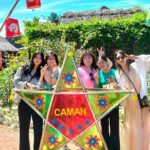
Meet at Lemon Basil Cookery and Restaurant in the heart of Tra Que vegetable village. Look for their distinctive signage.