REVIEW · HOI AN
Unseen Hoi An Ancient Town – Food & Culture Walking Tour
Book on Viator →Operated by Hoi An Hungry Belly Tours & More · Bookable on Viator
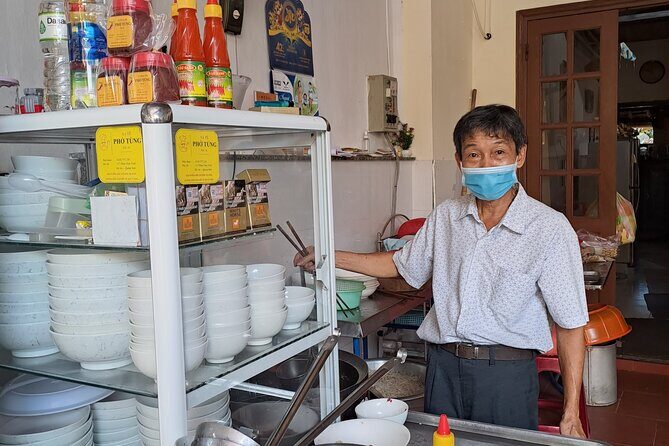
Hoi An feels easiest when you stay on the main streets. This morning walk is a different plan, using local alleyways and food stops to show you how daily life works. You’ll start with noodles at the Cao Lầu factory and move through bean-sprout growing and a real market scene, then sit down to eat like locals.
The big win for me is the food side: breakfast, coffee or tea, water, and a brunch are built into the tour, not sold as add-ons. I also like the small size (up to 8 people), which makes it easier to ask questions and keep the pace relaxed. One thing to consider: you’re walking for about 3 to 4 hours and it’s not recommended if you have mobility issues.
In This Review
- Key reasons this food-and-culture walk works
- A morning in Hoi An’s backstreets, not the postcard route
- The small-group format and why it matters
- Stop 1: Cao Lầu noodles—watch, then taste the idea
- Organic bean sprouts and the market mindset
- Breakfast and coffee: the food-to-culture bridge
- The brunch moment: eating like locals, not snack hopping
- Ancient Town tickets: plan ahead if you want the old-house stops
- Price and value: what $39 buys you in real terms
- Meeting points and timing: make the morning easy
- Who should book this walk (and who should skip it)
- Weather and comfort: a plan that depends on morning conditions
- Final thoughts: should you book Unseen Hoi An?
- FAQ
- How long is the Unseen Hoi An Ancient Town – Food & Culture Walking Tour?
- What time does the tour start?
- Where do I meet the guide?
- How far is the ending point from the Old Town?
- What’s included in the price?
- What’s not included?
- Is hotel pickup provided?
- What’s the group size?
- Is the tour suitable for people with mobility problems?
- What happens if the weather is bad?
Key reasons this food-and-culture walk works
- Cao Lầu factory first: See the oldest-style noodle process up close before you eat.
- Bean sprouts and organic growing: Learn what goes into a simple local ingredient.
- Market produce stop: You get an actual look at how locals buy food.
- Built-in meals: Breakfast, brunch, coffee/tea, and bottled water keep the morning easy.
- Small group energy: Max 8 people helps you move together and stay comfortable.
- Near the Old Town: You finish close enough to keep exploring on foot.
A morning in Hoi An’s backstreets, not the postcard route
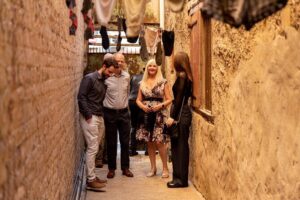
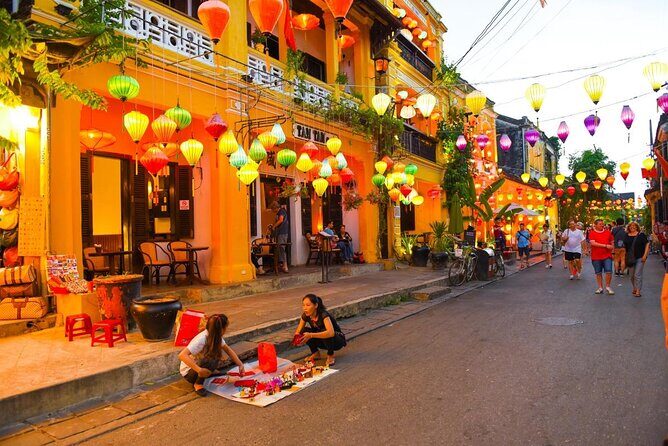
This tour is designed for the part of Hoi An that most people skip: the quiet lanes locals use when they’re going to work, shopping, and cooking. Starting at 7:15am helps a lot. The heat is lower, streets feel less crowded, and you get to see daily routines before the Old Town crowds fully take over.
What I like is the balance of practical and cultural. You’re not just tasting food; you’re learning what those foods come from. You also get a clear sense of how ingredients connect—noodles to factories, sprouts to growers, then produce to the market, and finally food on your plate.
The day’s rhythm is also easy to follow. You’ll walk at a casual pace through backstreets, then hop between food-focused stops, and finish with a more relaxed meal moment. It’s the kind of morning that helps you understand a place faster than wandering alone with a hungry stomach.
You can also read our reviews of more walking tours in Hoi An


The small-group format and why it matters
This walk caps at 8 travelers, so it doesn’t turn into a stampede. A smaller group usually means fewer delays at each stop and more time for questions—especially when you’re learning how something is made, not just where to eat it.
It also means the guide can steer you through the best moments: when to watch, when to pause, and when to taste. Past participants also praised guides like Pinky (also known as Hong) and Hong for being friendly, funny, and strong in English, which matters when you want real explanations, not just hand gestures.
One more practical detail: this is a mobile ticket experience. That’s helpful when you’re moving around early in the morning and don’t want to juggle paper tickets.
Stop 1: Cao Lầu noodles—watch, then taste the idea
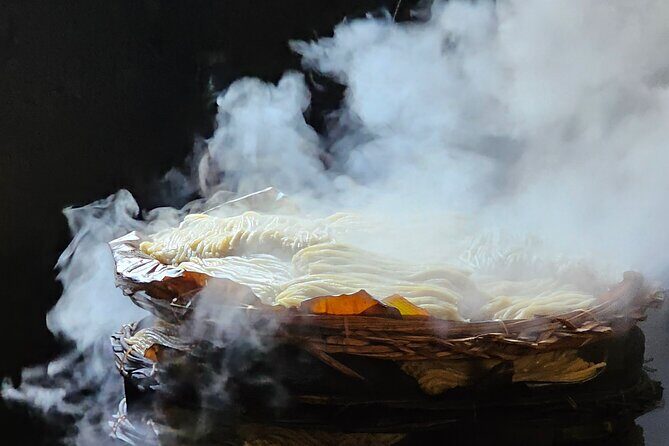
You kick things off by visiting the oldest Cao Lầu factory. Even if you’ve heard of Cao Lầu before, watching how noodles are made changes how you think about the dish. It’s easy to see street food as something that magically appears from nowhere. Here, you get a sense of the work behind it.
Cao Lầu is closely tied to Hoi An, so starting with noodles gives you a foundation for the rest of the walk. As you move through the tour, the same theme keeps showing up: a local ingredient isn’t just an ingredient. It’s a system of production, timing, and people who do the job every day.
What’s also good for you: the tour doesn’t leave you with only observations. You’re building toward breakfast and tastings as you go, so the factory visit doesn’t feel disconnected from eating.
Organic bean sprouts and the market mindset
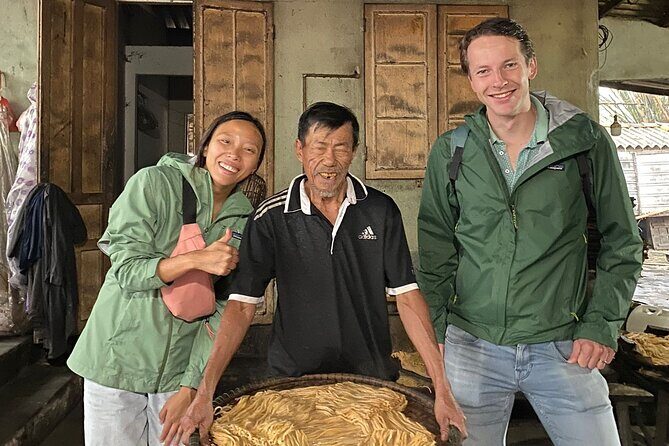
After the noodle stop, the tour shifts to bean sprouts—specifically local people making organic bean sprouts. This is one of those stops that works well because it’s not abstract. You get to see how a simple topping becomes a real part of local meals and texture.
Then comes the market section. Markets are where you learn the logic of a cuisine. People don’t buy ingredients randomly. They buy based on what’s needed for daily cooking, what’s fresh, and what fits local tastes and household routines.
This part matters for two reasons. First, you’ll recognize ingredients later if you order Hoi An dishes on your own. Second, you’ll get a clearer idea of why the food you’re eating during the tour tastes the way it does—right ingredients, handled properly, then cooked by people who do it often.
The tour also includes a look at local produce and how it’s introduced during the walk. That helps you connect the dots between growers, sellers, and the final plate.
Breakfast and coffee: the food-to-culture bridge
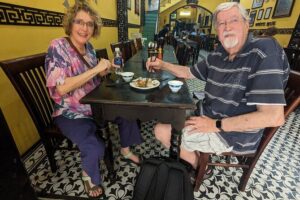
Breakfast is a key part of the experience, and you don’t have to treat it like an extra stop. The tour includes breakfast, plus coffee and/or tea, and bottled water. That matters because the morning walk is about 3 to 4 hours, and you’ll likely burn energy just from walking and focusing.
You’ll also try a Vietnamese baguette as part of the breakfast. That detail is useful for planning your own food strategy later. If you’re used to baguette sandwiches elsewhere, you’ll notice how Vietnam treats it—different textures, different flavor balancing, and a local style that’s hard to guess without tasting.
The guide portion also seems to be a real strength. Multiple experiences mention Pinky and Hong explaining local culture and food while keeping the tone light and friendly. That’s important: when you understand what you’re eating and why it’s served this way, the meal stops being just fuel and becomes part of the story.
You can also read our reviews of more food & drink experiences in Hoi An




The brunch moment: eating like locals, not snack hopping
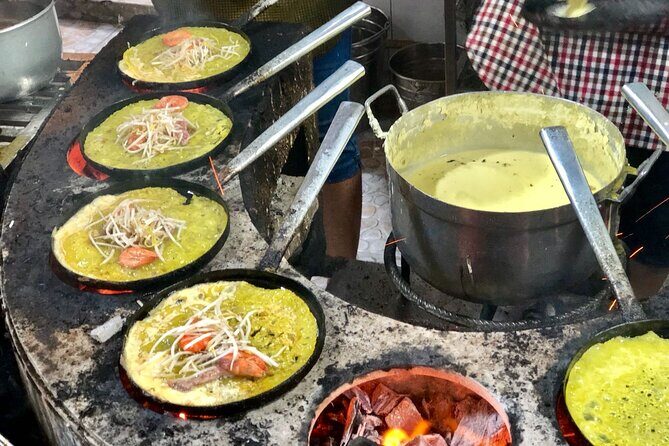
By the time you reach the brunch part, you’ve already seen the inputs: noodles, sprouts, produce, and market picking. Brunch then becomes the payoff, not just another meal.
The tour notes say you’ll enjoy generous dishes during the walking experience, with breakfast favored by locals and continued tastings along the way. Translation: you’re not doing five bites and calling it a day. You should come hungry and you’ll likely leave satisfied.
This structure is great value in practice. Food tours can sometimes feel like you’re paying for a walking guide plus a small sample spread across places you could find on your own. Here, meals are built in—breakfast, coffee/tea, water, and brunch—which makes the $39 price feel more realistic as a full morning experience.
Ancient Town tickets: plan ahead if you want the old-house stops
One small caution: Ancient town admission is not included. If you want to visit temples and old houses inside the Old Town, you’ll need your own ticket.
This doesn’t make the tour worse; it just affects how you plan the rest of your day. You can do the walking tour as a stand-alone morning and then decide later whether you want to pay for extra Old Town access. If you already know you want to go inside specific old houses, factor that cost into your day budget.
Also, because the meeting and ending points are near the Old Town area, you won’t feel trapped on the edge of town. The ending point is about a 5-minute walk to the Old Town, and you can also take a taxi back to your hotel easily.
Price and value: what $39 buys you in real terms
At $39 per person, the tour is priced in the “you’re paying for access and guidance” zone. Here’s how that value shows up with what you actually get:
- Meals included: breakfast, brunch, and coffee/tea
- Drinks included: bottled water
- Food education included: factory and growing process visits, plus market context
- Local family support: the tour includes local family support as part of the experience
- Small group: max 8 people, which usually means more effective time with the guide
The practical upside is that you’re not spending your morning piecing together breakfast on the run, then finding food spots later, and then trying to figure out what you’re eating. You’re already on a planned route that connects the why and how of local foods to the taste.
The booking pace is also a hint of demand—you’ll often see these tours booked well ahead, so if you want the morning slot, plan early.
Meeting points and timing: make the morning easy
The start time is 7:15am, and you meet at 01 Nguyễn Đình Chiểu, Cẩm Sơn, Hội An, Quảng Nam, Vietnam. Ending is at 20 Đường Phan Bội Châu, Cẩm Châu, Hội An, Quảng Nam, Vietnam.
Because both points sit close to the Old Town zone, you can treat this as a morning plan and then keep exploring afterward. If you’re staying near the center, you can also use the end location as a shortcut to continue on foot.
Timing note that matters: this is a morning walking tour. Plan your day so you can actually enjoy it after. If you’re jumping into long museum stops immediately afterward, you may prefer a lighter afternoon.
Who should book this walk (and who should skip it)
This fits best if you:
- Like food plus context, not just eating
- Want a guided route through local backstreets
- Enjoy learning where ingredients come from—noodles, sprouts, and market produce
- Prefer a small group pace (max 8 people)
It’s less ideal if you:
- Have mobility problems (the tour is not recommended for mobility needs)
- Want a fully sit-down experience (this is a walking morning)
- Are only looking for Old Town landmark entry (Ancient Town admission isn’t included)
If you’re traveling solo, the format can be especially satisfying. The small group size keeps you from feeling lost, and the guide becomes your translator for culture, food, and local customs. Solo mornings in Hoi An can turn into a lot of aimless wandering fast—this gives you structure.
Weather and comfort: a plan that depends on morning conditions
The experience requires good weather. If it’s canceled due to poor weather, you should be offered a different date or a full refund. This is normal for outdoor walking tours, but it’s worth keeping in mind if your schedule is tight.
Also, because you’re walking for 3 to 4 hours, bring what you’d normally bring for a warm morning in Vietnam: light layers, something for sun, and comfortable shoes. The tour focuses on easy local routes, not big uphill hikes, but you’re still on your feet for a meaningful stretch.
Final thoughts: should you book Unseen Hoi An?
Yes, I think you should book this if you want your Hoi An experience to start with real food knowledge and local daily life. The standout value is the connection between process and plate: factory noodles, organic sprouts, market produce, then breakfast and brunch that actually reflect those steps.
If your main goal is Old Town sights and temple entry, you’ll still enjoy the morning, but you may need to add separate Old Town admission later. And if walking is hard for you, pick a different option that matches your mobility.
Overall, this is a strong choice when you want something practical, small-group friendly, and genuinely useful for understanding how Hoi An eats.
FAQ
How long is the Unseen Hoi An Ancient Town – Food & Culture Walking Tour?
It runs for about 3 to 4 hours.
What time does the tour start?
The start time is 7:15am.
Where do I meet the guide?
You meet at 01 Nguyễn Đình Chiểu, Cẩm Sơn, Hội An, Quảng Nam, Vietnam.
How far is the ending point from the Old Town?
The tour ends near the Old Town, about a 5-minute walk away.
What’s included in the price?
Breakfast, coffee and/or tea, bottled water, local family support, and brunch are included.
What’s not included?
Ancient town admission ticket is not included if you want to visit temples and old houses in the Old Town, and hotel pickup/drop-off and personal expenses are also not included.
Is hotel pickup provided?
No, hotel pickup and drop-off are not included.
What’s the group size?
The maximum group size is 8 people.
Is the tour suitable for people with mobility problems?
It is not recommended for travelers with mobility problems.
What happens if the weather is bad?
The experience requires good weather. If it’s canceled due to poor weather, you’ll be offered a different date or a full refund.